

How Gender Focused Interventions Can Accelerate Peak Performance for Women
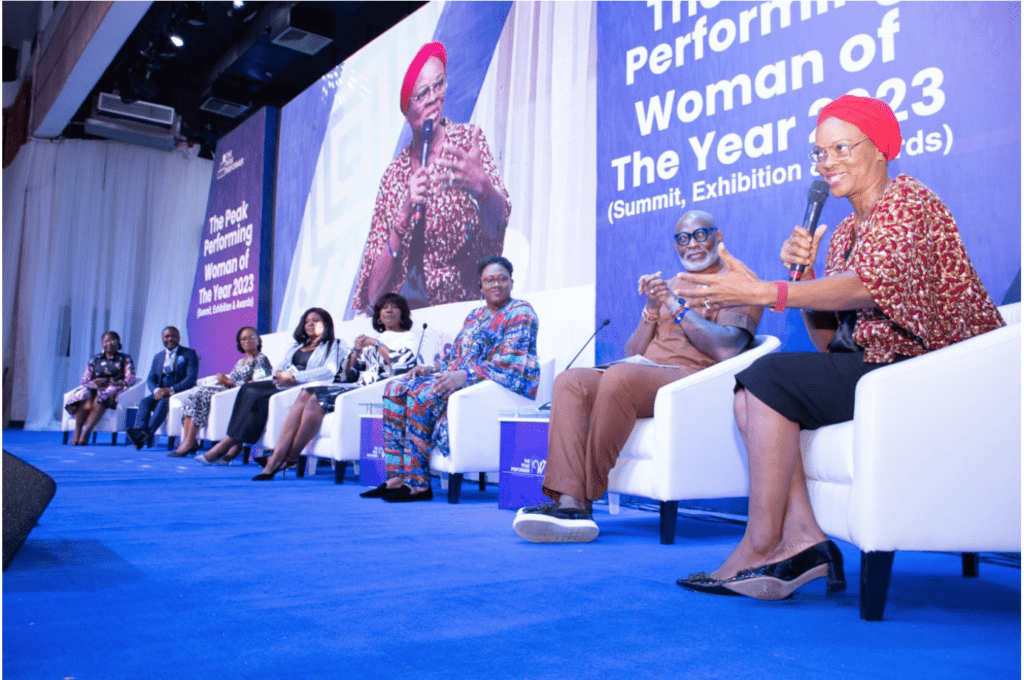
I was recently invited to join a Panel at the The Peak Performing Woman Awards 2023. The Topic that I would be sharing on was titled “How Gender Focused Interventions Can Accelerate Peak Performance for Women”. When asked to speak on any subject matter, it is important to do your research no matter how much you think you know. I found this to be a particularly interesting topic and so I decided to delve deep and share my thoughts and findings on the subject in two parts. Gender Focused Interventions “actively examine and promote the transformation of harmful gender norms and seek to reduce inequalities between men and women to achieve desired outcomes Gender-focused interventions are intended to provide equal opportunities for all genders and help them achieve their full potential”[1]. These interventions are designed to eliminate the barriers that women face due to gender inequality, which prevent them from achieving peak performance. Let me start by sharing some differences: Women face different challenges than men in the workplace for example, Women tend to earn less and have fewer opportunities for advancement; Women are also more likely to experience discrimination and harassment; Women are more likely to suffer abuse and domestic violence. These challenges will have a negative impact on their confidence and performance. Gender-focused interventions provide women with the support and resources they need to overcome these barriers, and to boost their confidence and performance. Some examples of Gender Focused Interventions I will start with the home front. As Parents and caregivers, we play a significant role in promoting gender equality and challenging stereotypes for our young girls. We should teach and model positive behaviours and attitudes for our children, such as treating boys and girls, men and women with respect and valuing diversity. Some specific ways parents and caregivers can promote gender equality and challenge stereotypes for young girls are as follows: traditionally male-dominated fields, Presidents, Prime ministers, business gurus, astronauts, engineers, architects, petroleum engineers, coders, the list is endless. — an absolute necessity for all women. Education ! Education ! Education! Let now look at some examples of the types of Interventions that can be implemented within and outside of the workplace: by Sponsorship Programmes in the work place including in Government : Find the “He for Shes” that are willing to push and promote women into executive leadership. There are many who are doing this, we just need more. There is nothing more powerful than someone advocating for you when you are not in the room because he or she knows the quality of your work and is willing to stick their neck out for you. That should put you on your toes to over deliver ! And while I know that Culture can sometimes get in the way, it’s time for us to get over this. Not every meeting between the two genders is a “date” !! can help promote an inclusive work culture that values diversity and empowerment and can eliminate gender bias that can negatively impact performance. Believe it or not, Almost 9 out of 10 people hold “fundamental biases” against women, a new UN report has found, decrying a “decade of stagnation” that has led to a dismantling of women’s rights in many parts of the world. From the United Nations Development Programme (UNDP) report released 12 June 2023 found, reflecting the latest data from the World Values Survey.[2] Half of people globally still believe men make better political leaders than women; (frankly we see that here in Nigeria with only 3 women senators out of 109 in this present Assembly). I believe it may well be the worst number ever since we switched to the parliamentary system) More than 40% believe men make better business executives than women. I was once asked if there was no man in man company during a negotiation!!!. When speaking to a Banker regarding a loan I was applying for, I was asked why my husband was not bank rolling my business venture, which clearly to him, I really didn’t have the right to be undertaking. It is a sad situation. And the clincher…… 25% believe it is justified for a man to beat his wife, Cultural norms do not help these matters. Culture is made by people. We can undo these harmful “norms” You just need to find the best fit — one that will support and nurture you — one in which you feel most comfortable. GAIA AFRICA is a warm and nurturing community for her members to thrive. Our interactions are governed by our Honour Code: Mutual Trust | Integrity | Authenticity. Important to build and nurture networks within and outside of your workplace. I will conclude with Part 2 : Gender Focused Government interventions as well as the benefits of all the interventions I have shared. Watch this space GAIA AFRICA June 2023
WHY WE NEED MORE WOMEN IN POLICY MAKING
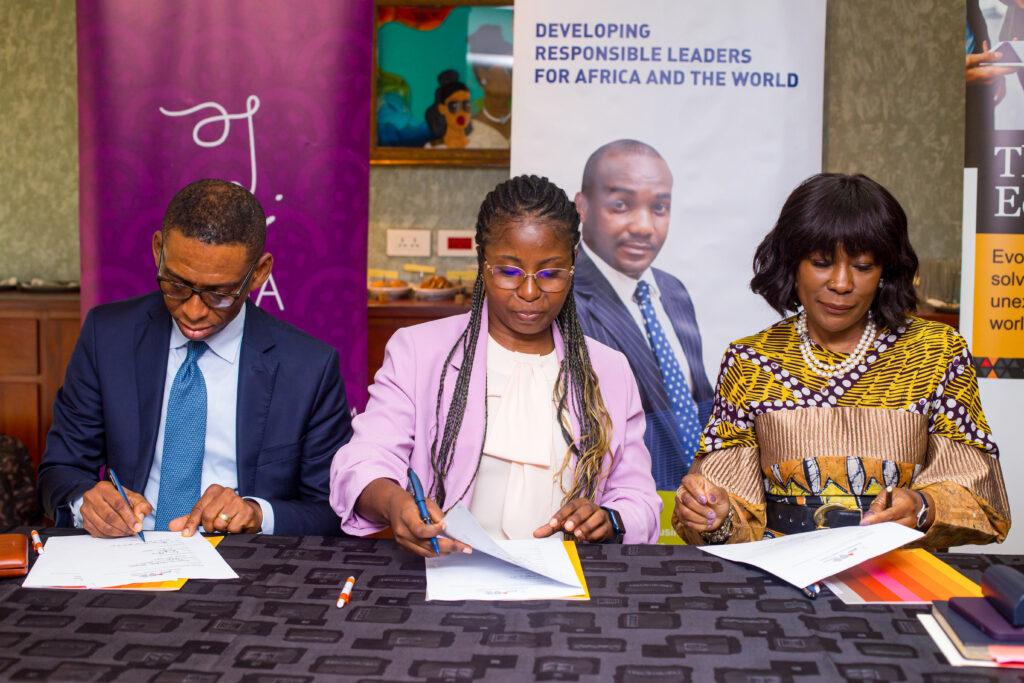
The underrepresentation of women in politics and policymaking has long been a crucial topic of discussion globally. In a recent webinar facilitated by GAIA Africa in partnership with the Lagos Business School and PwC Nigeria, titled Why We Need More Women in Policy Making. The webinar featured esteemed panelists, Senator Ireti Kingibe (Senator, FCT), Mrs Uwais (SA to the President), Alero Ayida-Otobo (Founder Incubator Africa), and Chijioke Uwaegbute (PwC), and hosted by the delectable Abosede Gorge-Odan (WILAN Global). The conversation delved into the challenges faced by women in Nigerian politics and explored strategies to promote women’s leadership. This blog post aims to summarize the key insights shared during the webinar, highlighting the panellists’ perspectives on the urgent need for change. The discussion centred on the need to change mindsets and establish inclusive frameworks in politics. Senator Kingibe highlighted the stark reality of the underrepresentation of women in Nigerian politics, emphasizing that the current situation is a cause for embarrassment even among male politicians. “We have only three women in the Senate, and I must say, even the men are embarrassed about it.” – Senator Kingibe Recognizing the significance of mindset transformation, Chijioke emphasized that leadership is about capability rather than gender. To achieve gender equality, He stressed the importance of educating young people. Corroborating this viewpoint, Mrs Otobo submitted that training and educating current politicians is a crucial step towards transforming Nigerian politics. Mrs Otobo argued that assumptions about politicians’ knowledge should be discarded. “Leadership is all about capability and not gender. We need to teach young people from a young age that leadership knows no gender.” –Chijioke “We need to train and educate current politicians, including special advisors, to help them perform better. We shouldn’t assume that they already possess the necessary knowledge.” – Alero To effect change, Mrs Otobo, stressed the importance of strategic collaboration within civil society, leveraging data and evidence to drive impactful initiatives. On her part, Senator Kingibe emphasized the formation of a robust female lobby and voter group, utilizing voter data to mobilize women effectively. “We must strive to create a strong female lobby and voter group, leveraging voter data to mobilize women in a specific direction.”- Senator Kingibe Furthermore, Chijioke proposed the training and education of politicians to address the realities of the present and shape the future. She suggested that leading institutions such as the Lagos Business School, Gaia, and PwC could play a pivotal role, stating, “Let’s train and educate politicians to understand the realities of now and shape the future. Lagos Business School, GAIA, and PwC can lead the way.”- Chijioke Ms Uwais stressed the importance of empowering young girls from an early age and nurturing their leadership potential. She highlighted the need for comprehensive education and support. Alero emphasized that women’s participation in politics goes beyond mere representation, emphasizing their transformative impact on policies and governance. She stated, “Women’s participation in politics is not just about numbers; it’s about the transformative impact they can have on policies and governance, leading to a more inclusive and prosperous nation.”-Alero Highlighting the need for mentorship and support networks, Ms Uwais emphasized the importance of building confidence in women leaders. She advocated for the creation of support systems. Alero opined on the importance of investing in women’s education and skill development as a means of empowering them in politics. Stating, “Women need more mentorship and support networks in politics to navigate the challenges they face and to build confidence in their abilities.” – Mrs Uwais When asked about how the private sector and corporate leaders actively support and encourage women’s involvement in politics, Chijioke stated that; “A united front of the private sector and civil society can be the third force, driving change and moving our society forward.” – Chijioke While delivering her final thoughts, Alero highlighted the need to create an inclusive framework in politics. She emphasized that the focus should be on how to create the necessary superstructures, stating, “We need to focus on changing mindsets and creating an inclusive framework in politics. It’s not about why we need more women; it’s about how we create the necessary superstructures.”-Alero In conclusion, the webinar panellists underscored the urgency of empowering women in Nigerian politics. By changing mindsets, building inclusive frameworks, and investing in education and skill development, significant progress can be achieved. The insightful words of Mrs Kingibe summarize the collective sentiment, “We need strong institutional mechanisms, such as gender quotas and electoral reforms, to ensure women’s meaningful participation and representation in Nigerian politics.” For a full transcription of the webinar, please click https://docs.google.com/document/d/1jBVuhapDVcoNfALeonTaCHaQArJgLJXmY8YD9Oax-Og/edit?usp=sharing
Akala’s Natives: A Powerful Examination of the complexities of Race and Identity in Modern Britain.
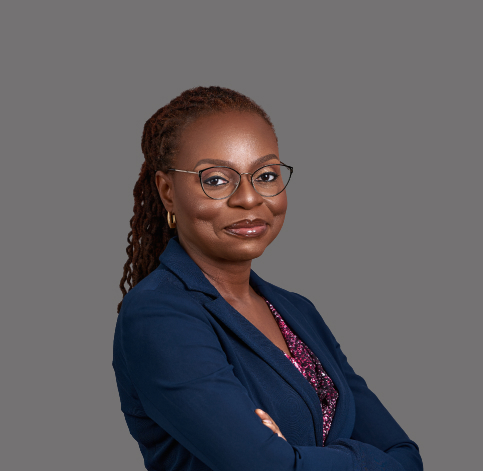
Akala’s Natives: Race and Class in the ruins of empire, painstakingly exposed the manner in which Britain has attempted to distance itself from its colonialist and slave trade history, as well as its persistent racism and class discrimination. It reminds us that Britain was still enslaving even when it appeared to have renounced the slave trade, that Britain operated concentration camps in Kenya, imprisoning Kenyan people, and also reveals many aspects of Britain’s complicity in the present culture of racism. He also reminds us about the quandary that mixed race children face, being racialised as black and how alarming the discovery can be. As Akala put it, he realised his mother was white when he was five years old and it was a devastating experience. Another traumatic experience for a black child in Britain is apparently that of elementary education. He shows us that primary and secondary schools that should be places of succour and learning are a bittersweet experience at best, for young black children due to the obvious or subliminal racism of their teachers. One of his high school teachers apparently went as far as to suggest that the Ku Klux Klan murdered black people in order to curb crime, during a classroom debate about race. All this showed the great barriers that young black people in Britain face and must face to be able to survive, let alone prosper. When living as a black child in the society in which the police, the media and your teachers continually relegate and condition you to believe that you are less than human, it takes grace, fortitude and an inordinate amount of will to rise to the surface or succeed. Akala’s writing is lucid and imminently readable, despite explaining intellectual discourse, as he breaks down his hypotheses clearly each time. He also almost always looks at the other side of the story and accepts that there has been progress and that even he and others like him are privileged to an extent, ironically due to their closeness to “whiteness”. By this he means that being born black in countries like Britain, affords more opportunities than others born in much poorer countries in the global South. His description of how the media as well as the “cold war” era made Cuba and Castro so much more villainous than they should be, despite playing a significant role in helping to dismantle apartheid and despite having one of the best healthcare and educational systems in the world was another illuminating aspect. The manner in which he used the comparison of Mandela and Castro as a way of demonstrating this, helped make the discussion more real. This and the use of his life experiences, with the police in Britain and other countries, with his teachers and with members of his own family, including his racist white grandfather, were all instrumental to making this book very enjoyable to read, despite its heavy subject matter. It is a testament to his self discipline as well as a combination of favour and luck as he himself admits, that he was able to extract himself from the downward trend that his working class upbringing as a racialised black youth cast him into, and it is also extremely gratifying that he continues to draw attention to the plight of young black and brown people born into Britain and similar Western counties, especially in the face of recent Nationalist white movements, in these countries. As he puts it, “we are all influenced by what we are exposed to and experience; the best we can hope for is to try and be as fair as possible within the bias inherent in existence”. Another striking feature of this book is the amount of research done into African, Asian and world wide history. It was impressive to read quotes about Ile-Ife and Benin in Nigeria, as well as discussing Japan, China, South Africa and Cuba, amongst many other countries. One would expect extensive research when embarking on such a project but with Akala, the knowledge of his subject appears to transcend that acquired simply from research for a book. It is almost as if he has lived the various lives in the different nations, the way he talks about them. The book delves into a great deal of history and politics and as such, reviewing it appropriately requires a deeper knowledge than I possess. From my point of view though, I am not at all surprised at all its accolades and believe it deserves more. It is a tour de force and the writer delivers with brilliance, humor and introspection, and is clearly an immensely well-grounded individual. I was enlightened, in the true sense of the word, just by reading it. Author: Bosede Afolabi
My GAIA AFRICA Impact Story

My name is Adesuwa Okunbo Rhodes, I am the Founder of Aruwa Capital Management, a growth equity fund investing in businesses for women and by women. We are passionate about showcasing the untapped potential of investing in women on the continent. It’s my pleasure to share my GAIA Africa Impact story. I heard about the GAIA AFRICA dinners in Lagos and the awesome space that GAIA AFRICA had created for professional women in Nigeria to network and collaborate. I sent the CEO of GAIA AFRICA, whom we fondly call TCJ, a cold LinkedIn message in January 2020 telling her how I loved the fact she had created a space for women to do business together, something men have been doing for centuries. We immediately hit it off and I officially became a member of GAIA AFRICA, thinking it would be just another means to network and be inspired by other women in Nigeria, not knowing the significant impact GAIA AFRICA would have on me and my business in the months that followed.
Migliori casinò online in Italia: la lista dei top casinò del 2026
Content Offerta di Giochi e Software Provider Metodi di Pagamento disponibili Il servizio bancario BancoPosta di Poste Italiane è utilizzato da molti italiani per effettuare depositi e prelievi nei casinò online. È un’opzione sicura e conveniente per coloro che preferiscono utilizzare metodi di pagamento bancari tradizionali. Inoltre, BancoPosta è molto apprezzato per i migliori pagamenti nei casinò online, poiché offre transazioni rapide entro 3-4 ore e senza commissioni aggiuntive. Questo servizio è supportato solo dai migliori casinò online, che operano legalmente in Italia. Visa e Mastercard sono due delle opzioni di pagamento più comuni sisal lotteria nei casinò online italiani. Offerta di Giochi e Software Provider Il primo deposito garantisce un bonus del 100% fino a 350€ e 50 free spins, mentre il secondo e il terzo deposito offrono un bonus del 100% rispettivamente fino a 500€ e 650€, con 75 free spins ciascuno. Per usufruire dell’offerta, è necessario effettuare un deposito minimo di 10€.I free spins, del valore di 0,10€ ciascuno, sono utilizzabili sulla slot Big Bass Bonanza e devono essere richiesti entro 14 giorni dalla registrazione. Nelle sue pagine, CasinoTop10 Italia ti offre una classifica riassuntiva con tutti i migliori casino online. Divertiti a scoprire tutte le recensioni approfondite insieme a regole, consigli e strategie di tutti i più famosi giochi di online casinò offerti al mondo. Considerando tutti i benefici illustrati di sopra, lo staff di Casino.it ha voluto avvantaggiare i propri lettori appassionati di gambling, fornendo loro la possibilità di divertirsi nella maniera più sicura e semplice possibile. Slot machine e giochi da tavolo classici sono un must per ogni casino che si rispetti, mentre altre categorie di giochi come bingo e lotterie rappresentano un plus. Metodi di Pagamento disponibili È consigliabile inviare subito il documento, tramite e-mail o caricandolo direttamente sul sito, per evitare inconvenienti. Durante la registrazione, potrebbe essere richiesto di impostare limiti di deposito settimanali, mensili o annuali. Questi parametri, promossi dai casinò per supportare il Gioco Responsabile, aiutano a gestire le spese in modo equilibrato, evitando di superare il proprio budget. Ai dati personali e finanziari dei giocatori dev’essere garantita massima sicurezza. Questo implica l’utilizzo di sistemi crittografici d’avanguardia e costanti controlli sul flusso delle entrate e delle uscite. Alla stessa logica risponde il controllo KYC (Know Your Customer) che verifica l’identità dei player. I migliori casinò online italiani ne sono consapevoli e per questo motivo stringono partnership con i migliori developer del mercato. Giocare online può essere un’attività rischiosa, quindi è importante scegliere un casinò online italiano che offra le opzioni bancarie più sicure e protette. I sito online come Karamba, Mr Green e William Hill mettono a disposizione carte di credito, portafogli elettronici come opzioni di versamento e prelievo. I portafogli elettronici includono Revolut, Klarna, Skrill, Visa, MasterCard, MuchBetter, Jeton, PayPal e alcune altre opzioni adatte agli italiani. Il nostro Casino del mese è il brand che, nel periodo analizzato, offre il miglior equilibrio tra sicurezza ADM, pagamenti veloci, bonus sostenibile e qualità del catalogo giochi. Poi premi sul pulsante Registrazione classica oppure sul tasto Registrazione con SPID. Nel primo caso dovrai compilare diversi moduli, caricare un documento di riconoscimento in corso di validità, e l’iter sarà un po’ più lungo. Nel secondo caso dovrai effettuare il solito accesso tramite SPID e il processo sarà più rapido.
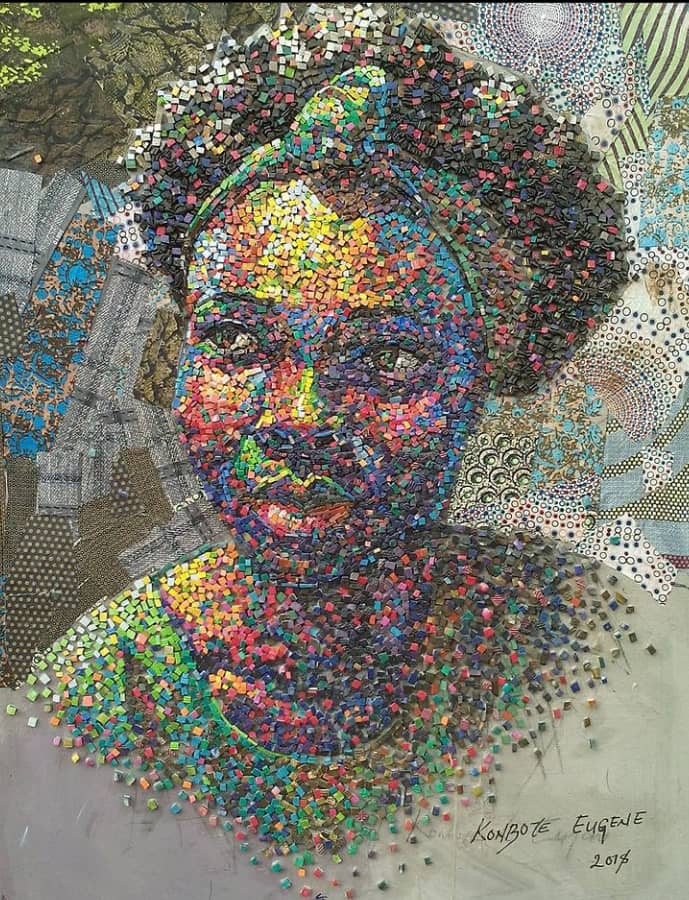
Highlights of the Framing Her Art Exhibition
The GAIA AFRICA Story

I have often been asked why I would voluntarily leave the apparent comfort of a successful career with an International Group and plunge into the risk and aggravation of starting an entrepreneurial venture — in this case, GAIA AFRICA (formerly GAIA Women Club) and so I have decided to put pen to paper and share. If a woman reading this is or has been at the top of her profession, in a leadership position in the corporate world or has started her own business, then she has probably felt exposed or “alone”. This sense of isolation springs from the simple fact that most enterprises and all key industries are dominated at the top by men. You are lucky if you’re in a board setting or other executive committee with at least one other female. There have been times when the lone female might voice an excellent idea which no one appears to have heard. When that idea is then repeated by a fellow male board member, it suddenly has life and value and is something to discuss??? It seems that this is what Sheryl Sandberg was getting at in her book “Lean In”, when she urges women surrounded by men around a board or other table, to repeat what another woman has said for emphasis, to give value to it and to ensure that it cannot be ignored! Then on the other hand, when you try to run your own business, you will run the gauntlet of unhelpful and discouraging inquiries: why are you bothering to start a business?; why can’t your husband fund your business?; why don’t you don’t do something in the not for profit world?; or finally, the assumption that your business idea must fall into not for profit. On one actual occasion, when a female founder looking for a loan from a bank was asked why she didn’t ask her husband to fund her business, she asked the banker without blinking an eye whether if he was looking for money for his own business, he would expect a question like: “why is your wife not providing the money” ? Well, that retort quickly ended that particular conversation! And while the banker may not have intended to be patronising and offensive, the prevailing culture compelled him into a folly. For men, on the other hand, leadership in business has always been assumed and when they meet socially in their regular hubs, it is the most natural thing to talk about money, for new ideas to be shared, for businesses to be conceived, and for million-dollar deals to be negotiated. Women are starting late. At a certain time in their lives, they are often primary carers and do not have the freedom to meet regularly. Inevitably, these “man spaces” were and remain either uncomfortable for, or completely out of bounds to women. Until fairly recently, the culture of innovative entrepreneurship was not one that even women associated with other women and some of the huge disadvantages of this culture of exclusion are what I have described above. Women were just not discussing business together or developing networks of their own for this type of activity. I have personally always been driven by the conviction that serious and authentic women are a great resource and support in general and especially when they attain the highest levels in their respective fields. We understand each other’s problems — perhaps because we have walked the same path, and at other times we just understand and can empathise. Women can be supporting infrastructure for each other in business and public life also. We now understand how important it is for us to share ideas amongst ourselves, partner in business, or collaborate, and use our relationships and wider networks to grow. I believe that many women have come of age in a different type of modern world, and that we are paying it forward now more than ever. Of course, I recognise and understand that some women will still be very sceptical about this “women together” movement, but I am a true believer. Two years ago, I launched GAIA AFRICA to begin the journey of building a platform, which would contribute to solving this challenge. There are very few private spaces for women leaders to connect, share interests, form strong friendships, collaborate, partner, learn together and support each other. GAIA AFRICA is a member only club that is dedicated to serving Africa’s top 5% of female C-suite executives, professionals and business founders; GAIA caters to the select leading and experienced woman, who is looking to establish the bonds for impact in her life and business. We provide a third space; a business and social hub, which enables connections, partnerships, and collaborations. The growth and celebrated success of GAIA AFRICA is noteworthy because this achievement is based on the very same principles we are promoting. This message, received recently from one of our members speaks to the very essence of GAIA’s existence – “I feel like I have gained a lot this period from GAIA, so people need to know that it goes beyond the hangouts and that it actually grows your business, network and social life all at the same time” With an excellent team, our brilliant, active and engaged members, a diverse range of mini-clubs, burgeoning online Academy and soon-to-launch club house, it’s being proven that GAIA AFRICA is more than a club for women — It is an organising principle for female leadership which is required as the bedrock for sustainability of any social economy. This African brand is built around the common interests of female leaders in diverse industries including business, politics, the professions, and social enterprise. To learn more about our exclusive community please visit www.gaiaafricaclub.com Linkedin : GAIA AFRICA Instagram : @GAIAAFRICA
Meet the Founder/CEO of Zaron Group of companies, Oke Maduewesi – Exclusive Interview
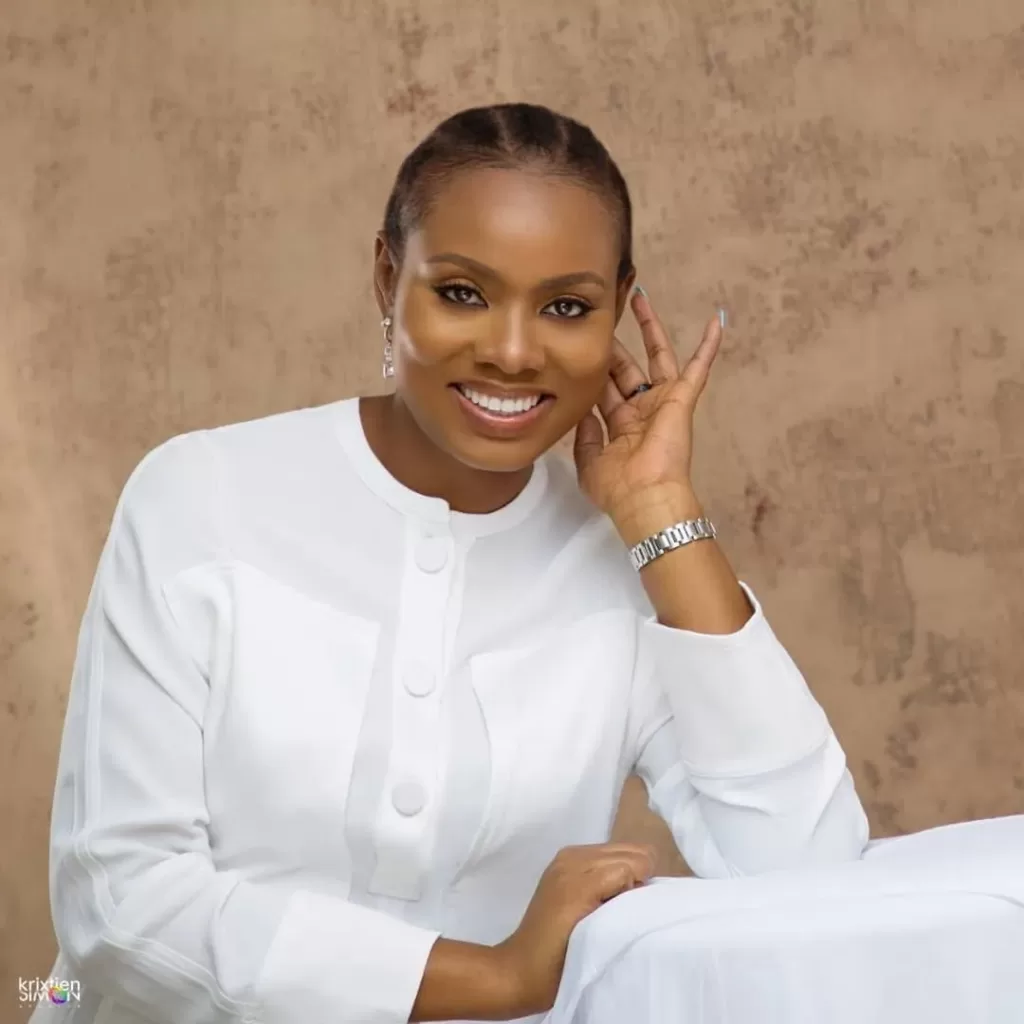
Oke Maduewesi has been working in the cosmetics industry for a little more than a decade, and through the years, she has been very focused on delivering sleek premium quality products at affordable prices to enhance the lifestyle needs of African women. Backed with her knowledge and skills as a former Zenith Bank Manager, and an MBA holder from the University of Leeds, Oke Maduewesi built a contemporary innovative cosmetics brand that has grown to have over 25 franchise outlets and 800+ distributors in Nigeria and other African countries, whilst also contributing to the socio-economic development of Nigeria through job creation, enterprise development, strong corporate social responsibility and a business ethos anchored on reputation and trust. In her interview with Business Insider Africa, Oke Maduewesi shares an exclusive sneak peek into the world of cosmetics, great advice on how to build a successful cosmetics brand and the 3 women she would want to see wear her products.ADVERTISING BI Africa: How did Zaron start and what motivated you to create your product line despite the huge selection of cosmetics in the market?about:blank Maduewesi: The Zaron story was conceived in Leeds whilst I was doing an MBA at Leeds Business School. Prior to that, I was working in one of the leading Financial Institutions in Africa. I felt the need to grow but wasn’t sure of what exactly, except perhaps I thought to grow in managerial skills to elevate and dominate in the same sector. I remember selling everything I owned before moving to the UK with my two daughters who were 4+ and 2+ at the time; in pursuit of the next chapter. Back to school and I remember vividly sitting in discussion groups and reviewing different case studies and having this restlessness within knowing that all the cases being reviewed were foreign businesses and I knew that that narrative had to change. My next step was to put pen to paper on what I thought I could do about it; what space could I play in, and all the how-to’s surrounding this. The only thing I was sure of then was that I would name the business after my daughters, so I started making different combinations with their names (Ona and Zara), and Zaron seemed more brandable; so the business name is a fusion of my daughters’ names. The next step was to determine the space, and the Beauty and Wellness industry, which was one of the fastest-growing, seemed interesting. Plus, no prominent African brands were dominating that space. I immediately went to work by using my business proposal as my dissertation, and that was the start to what we see today. BI Africa: Increasingly, in the past years, Zaron has become the most profitable product category for many top luxury fashion brands. What are the key ingredients for success, nowadays, when it comes to cosmetics? Maduewesi: The Key ingredients for the success of the Zaron Brand is the reputation and trust we have gained over the years in creating and providing quality products at affordable pricing. From inception, we have been focused on presenting quality products for the woman of colour recognising that we are best equipped to understand our skin tone and texture; taking into consideration our environmental conditions in creating the most suited products for us. One of the things we have been most proud of is that the Zaron brand is about products made for the woman of colour by the woman of colour. BI Africa: What is your strategy towards the effective distribution of Zaron products? Maduewesi: In Nigeria, Zaron currently has 25 franchisee outlets, and the brand’s products are sold in almost all the cosmetic retail stores nationwide, with a growing number of online Independent Beauty Consultants and with presence in 10 African countries, North America and the UK. The vision from the start was to create cost-effective ways of widespread distribution. Being a local brand trying to penetrate a market where there was little or no trust for local beauty brands, one of the first things we did was to lower the barriers of entry, grant favourable credit lines, and source for franchise partners that were driven and passionate not only in retailing beauty products but ensuring that the business created a livelihood for themselves and their families. Starting with franchising helped reduce the capital required to set up stores, and we were able to widen our reach by leveraging on the network of our partners in the various cities. We were also able to gain access to their key distributors so we can collectively better manage the relationships. BI Africa: In today’s world, what are the most effective communication/marketing channels for your brand? Maduewesi: Our communication and marketing channels in this ‘new normal’ have become heavily reliant on social media and the internet. When we first launched Zaron, we did a lot of field marketing including visiting markets and potential sales partners, hosting live demos across regions, offering makeup artistry using our products, organising roadshows and promoting collaborative events. Our strategy was creating awareness and connecting with our target market one-on-one. Field marketing is still a channel we employ; however, digital marketing provides that opportunity to get even more eyeballs on the brand and a sale at the mere click of a button. A 2020 report by GSMA put the number of mobile subscriptions in Nigeria at 172 million, and a recent Jumia Nigeria report estimates 44% of these are using 3G technology, providing forward-thinking businesses with a reach unprecedented. With the advent of COVID-19 and its effects on consumer behaviour, trends and digital markets, Zaron has fully embraced direct and in-direct communication/marketing channels. After the past intense months, we now begin to see optimal results from resources put into a combined marketing strategy as consumers fully expect businesses that they interact with to offer options for multiple engagement channels; the multiplier effect is in full play.The Key ingredients for the success of the Zaron Brand is the reputation and trust we have gained over
Psychology of Business Networking: Growing Meaningful Relationships for All Round Success
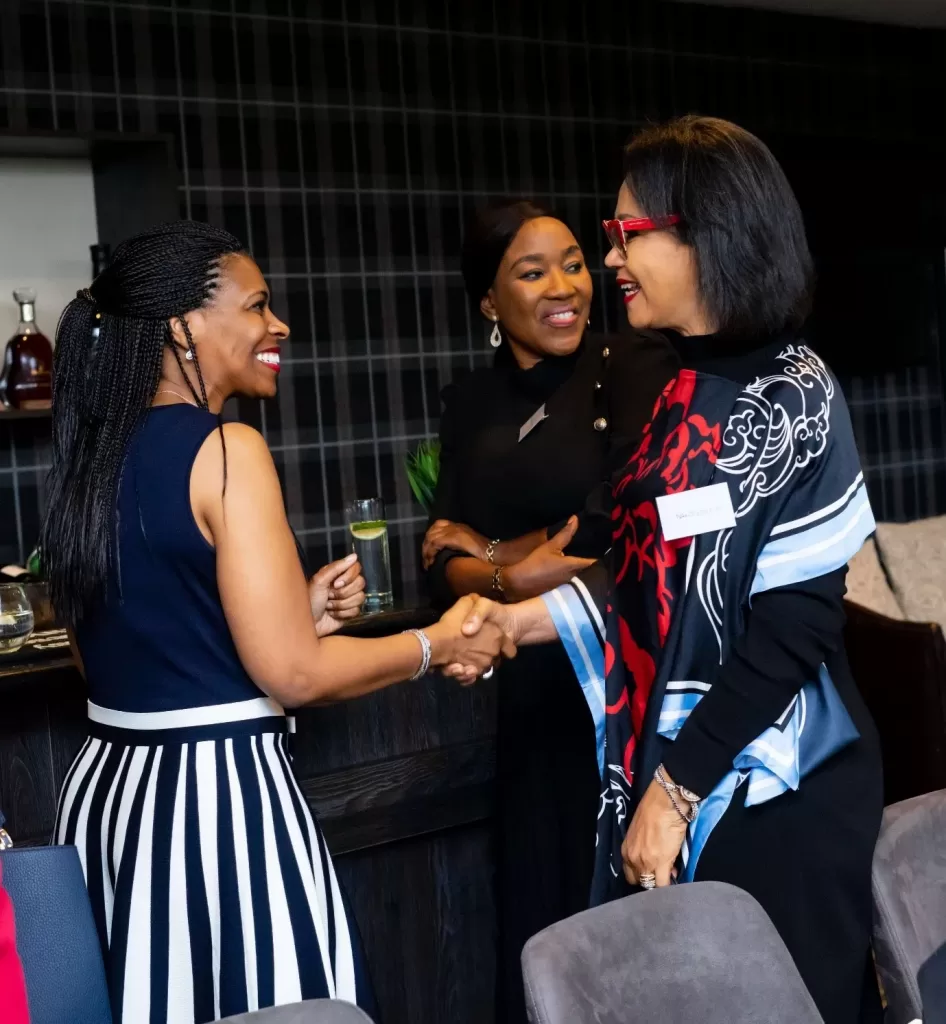
Have you ever been in a room full of women at a conferences or networking event wondering how exactly you can make headway, interact and build meaningful relationships? While it may seem that everyone is unapproachable, chances are that you come across the exact same way. Building and growing meaningful relationships is crucial for our growth. Some research carried out by the Carnegie Institute of Technology shows that only 15% of one’s success is based on technical skills, while 85% is due to the ability to connect. At GAIA AFRICA, we know the importance of building meaningful relationships. So important is this topic that we invited Someer Somal, (CEO Digital Transformation at Blue Ocean Global Technology and Co-Founder of Girl Power Talk) to speak at our special Gazelle series and he shared some insightful tips on the psychology of networking which we have termed “The 10 commandments of Networking” according to Sameer Somal. Make Your Time Online Count: Due to the internet of things, people are spending more time online. Statistics show that people spend an average of 24hrs a week online. Whether it is on social media, websites, blogs, chat sites: if you are online that long, you might as well make it count. Build meaningful relationships on LinkedIn, Instagram, and Facebook. Make those long hours count. Invest in your Online Reputation: “Identity will be the future and it will exist primarily online” Eric Schmidt Google. Before meeting someone you wish to establish a relationship with, you would have done a google search to learn about him/her. This is the same way other people check you out online, so be sure that over time, you curate a digital presence that is reflective of who you are. You can build your online presence on social media sites, your website, blogs, forums, interviews, guest blogging, and podcasts to mention a few. Practice Your Elevator Pitch: Your elevator pitch is a 60 second summary of who you are and what you represent. You will need a great pitch to make a lasting impression so be sure to practice. For example Somaal says “I am a purposeful human being with a relentless work ethic. I believe in diversity and I am a lifelong learner” Who can forget that? Be Prepared: Be deliberate about building good relationships. The right mindset is the first step. You have an event? Schedule an appointment with yourself a few days to the event to prepare. Research the event organizers, speakers. Prepare relevant and thoughtful questions that relate to the event, current news or industry trends. Rehearse your elevator pitch. This will definitely give you an edge. One First Impression, Make it Count: Now you are at the event and truth be told within a few seconds of meeting, people subconsciously make inferences, assumptions and judgements. Make sure they are forming the right ones; positive body language is essential, maintain frequent eye contact, positive facial expression and posture. Try to keep your hands by your sides. This looks so much better in pictures! Be Proactive: Networking requires going beyond your comfort zone and challenging yourself. Do not stick with familiar faces at events. Take the bold step, approach new faces. That’s the entire purpose of networking after all. Quality over Quantity: “Relationship” is not a game of numbers. The last time you attended an event, you probably went round the room picking up cards from anyone who had one to offer. How many of those people did you eventually follow up with? Focus on connecting and building lifelong relationships – even if it is with just one person. Be a Giver: Approach networking not with the thought “how can this relationship benefit me” but ask yourself “what value can I offer this person in this relationship” People love to hang around those who offer them value. Find out what a connection wishes to accomplish and find ways to assist them. You can volunteer for their next project, offer tips to improve their digital presence and so on. There are endless ways to add value. Strategic Follow Up: To be honest, this is where the real impact lies & where most people fail. Be thoughtful and tactful in following up with a contact. Whether it is through social media, email, text or by handwritten notes, be sure to keep it thoughtful. Invest time to craft a specific message that is unique to each person and never give the impression that you are desperate to connect. Patience is Key: Building purposeful long-term relationships take time and patience. Follow through with your connection and give them time. Some people are genuinely busy and must prioritize. Be tactful, thoughtful, persistent and patient.
THE PIPELINE FOR WOMEN IN LEADERSHIP: THE WAY FORWARD
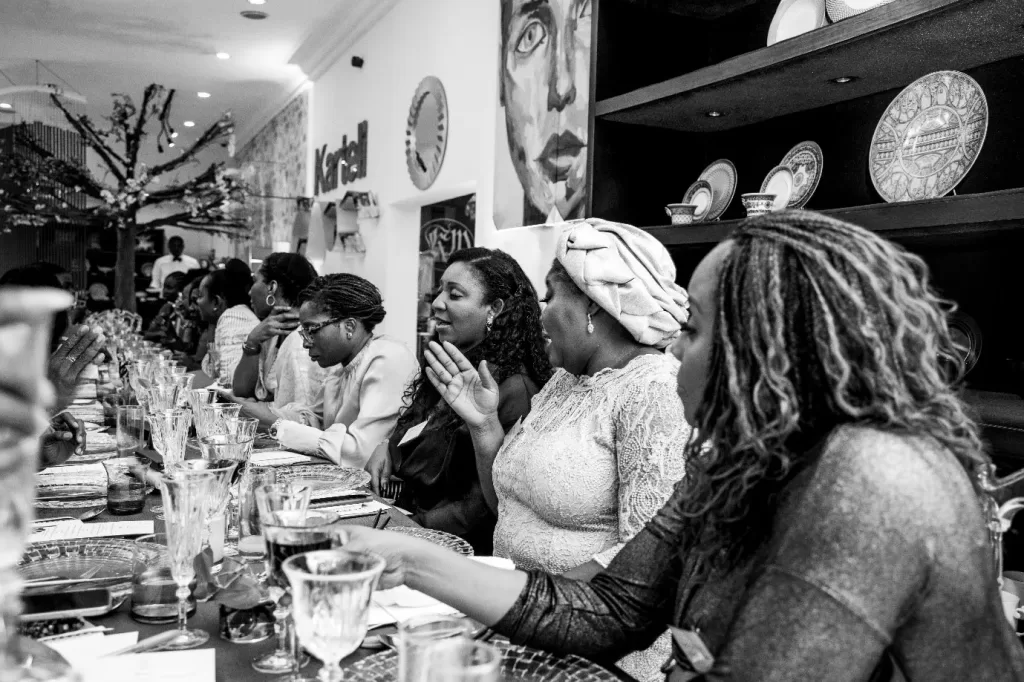
There remains to this day, universal systemic inequality between men and women. Women have less access to opportunities and resources and are under-represented in the decision-making bodies that shape their lives. This pattern of inequality is a constraint on the progress of any society because it limits opportunities of half of its population. The Pipeline for women in Leadership roles in Nigeria is a long and arduous one to build. Mckinsey states that societies that continue to allow the gender gap, leave tons of cash on the table and that narrowing that gap could add $12Trillion to 2025 Global GDP. While both sides have a part to play in closing this gap, we believe that women must meet this challenge head on by leveraging their own strengths in collaboration with their peers. During GAIA AFRICA’s Roundtable on “The Pipeline for Women in Leadership in Nigeria – Men Speak” and was moderated by Mrs. Bola Adesola, the distinguished male leaders on the roundtable, Mr. Austin Avuru, Mr. Tonye Cole, Mr. Yemi Candide-Johnson SAN and Rt. Honourable Femi Gbajabiamila shared their views on why the age long gender gap persists and how it can be closed. A society where legislation is in place to ensure equal opportunities and treatment for women and men, one that combats all forms of discrimination on the grounds of gender as well as violence against women is what we seek. Rt Hon. Femi Gbajabiamila in his opening message mentioned that he is promoting a bill to widen the definition of “Federal Character” in the Constitution to include gender. This was very well received as it would bring about more inclusiveness in the selection process and appointment to various positions in Government and Government owned entities. Based on our discussions during the Roundtable, we are listing below some of the suggested ways Corporates and Government can help close the gap: For Corporates:• Partner with Consulting Companies for focused & deliberate searches to identify qualified women for key roles • Put in place anti-aggression policies that create a supportive working environment for women • Conduct studies to gauge the effectiveness of the Company’s talent development strategies for advancement to top roles, and look into how many women have risen to these roles and how many more can advance to those roles. • Identify the barriers that prevent women from succeeding in corporate careers and try to find solutions that will improve this issue. • Study and assess the attitudes of men working with women in same or higher -level positions. Find out why unconscious biases persist and put in place mandatory training to reorient both male and female staff to eliminate all biases. • Affirmative Action, but only to the extent that it allows for qualified women to enjoy equal opportunities with their male colleagues. It is important that women are represented in unrepresented environments. What top 2 positions can companies either create or appoint a woman to in the next 6-12 months? Studies have shown that the economic growth trajectory moves upwards when women are included at all levels in an organization. • Conduct regular diversity assessments to determine the level of diversity fitness and close all gaps. • Develop and put in place strategies to engage women in technical positions. Women make up less than 25% of the graduates in the technology sector, this needs to improve. • Education for girls – CSR plans and budgets should include or increase quality education for girls. This becomes a pipeline of female employees for such organizations. Below are some possible changes for increasing female participation in elective office and in Government generally: For Government• Amend Constitution to recognize that women are Nigerians too. A “gender friendly” document will expressly define male/man/he as widely used, to include female/woman/ she. • Establish a National Re-orientation Programme on the benefits of gender parity for society. This Programme should be Championed from the very top of Government – The “Tone from the Top” will encourage adoption at all levels • Identify barriers that prevent women from seeking elective office and take steps to remove them • Increase Advocacy and support for women to take up elective office. The current under representation is inherently discriminatory. • Without positive effort, women will forever be excluded from the most important decisions that affect their rights and their lives. Actively identify quality candidates – “educate” them about politics – support them and back them with resources. Find “He for She’s” who will sponsor them. • Push broadly The Women’s Victory Fund: an excellent initiative of the Honorable Speaker of the House of Representatives to identify and sponsor willing and capable women to contest for elections at all levels of government. Rwanda’s parliament has 65% women. This impacts outcomes for girls and women long-term in countless ways: self-identity, self- efficacy, and self confidence. • Women should engage in more advocacy, lobbying, peaceful protests, among others to drive home their point to get into elective positions. Nothing will be given up willingly. Women have to fight for what they want. • Active Representation: Men and Women must work hand in hand to ensure that women are represented and that they have access to the right resources. • Partner with Big 4 Consulting organizations for focused & deliberate searches to identify qualified women for key roles in Government. • Institute anti-aggression Policies in the National Assembly and all Government Offices that create a supportive working environment for women. The conclusion of course is that gender parity is best for the economy and for society. If we act now to remove barriers to greater female participation in society, we will reap the economic, political, and social benefits. If we delay, we will suffer the consequences. Parity is powerful and we are hopeful that the inclusion of women in every sphere of our nation, will bring incomprehensible growth and that legacy must begin now.
