

Inside Donna Tyler: Let’s talk Gemstones, Diamonds and Jewelry

Taiwo Durotoye is the Founder and Creative Director of Donna Tyler Ltd., a jewellery brand aiming to redefine Africa’s jewellery industry, through distinctive designs, timeless and bold jewellery that celebrates the uniqueness and sophistication of African women. Their signature line offers bespoke jewellery to accentuate individuality. Taiwo also launched one of Nigeria’s first fashion jewellery websites, introducing the brand’s diffusion line, Jewellery by DT, to offer more affordable pieces. Prior to this, she gained experience in sales and marketing at Franklin Mint in England, promoting art, design, and culture. With her extensive travel and exposure to different cultures, Taiwo has developed a keen taste and knowledge of arts, creativity, and design. She holds an MA in Business Management from the University of East London and is an alumnus of the Lagos Business School OMP program, with a BSc degree in Sociology and Anthropology from Obafemi Awolowo University. Taiwo Durotoye, who is also a GAIA AFRICA Member sat with the team to talk about her love for jewellery, Donna Tyler and her future plans. GA: How did your love affair with Jewellery begin? TD: It began during my life as an expatriate. During that time, I moved around a lot and at some point, I lived in Bangkok, where I was exposed to a large collection of beautiful stones and variety of cuts. This I guess, inspired the artist in me. GA: What inspired you to start Donna Tyler? TD: I initially started by creating pieces for myself. Very quickly, it drew the attention of friends and other people who were fascinated by the uniqueness of these pieces. I then started to make pieces for these friends, and from there, the demand grew. Simply put, I sold myself to the forces of demand and supply. I was fortunate, as exposure to multiple cultures hadhelped to inform my designs. Over time my interests have changed. Whilst travelling, several things caught my attention, some subtly and some in a gripping manner. My inter. Now, I’m more interested in fashion and attending exhibitions to keep up with the industry. I’m inspired by and pay attention to different things; everything is going through a revolution, We have to ensure we are not left behind. GA: Do you have a signature style? TD: I would say my style is ‘classic’. This influences the style of pieces that we shop and the ones we design. We know that classic and timeless pieces get our clients the best out of their investments. They can wear these pieces for a very long time. GA: Are your pieces made locally or internationally? TD: Both! We have design work that we produce locally. As technology is limited in Nigeria, we can only handle very basic and simple designs. For more complex designs, or designs requiring more technical processes we send those out of Nigeria. We work across four different countries and with several manufacturers. We also work with assigned artists who can who help process our images, our once we have the schematics, we begin the process of manufacturing our exquisite pieces. GA: Tell us about the quality of your gemstones and how you source them? TD: I always find the topic- ‘quality of gemstones. Firstly, we try to use very good quality stones and with each gemstone, whether pearls or precious stones, they all have grades which are reflected in their costs. We work with our clients to ensure that they get the design they want made with precious stones they can afford, never compromising on quality. To source for gemstones, we work with recommendations from our manufacturers and leverage of their industry expertise of deep and market relationships. We also work with them on other specifications such as colour, shape and size. GA: What are your views on synthetic diamonds. Do you use them in your business? TD: Synthetic diamonds have created a lot of controversy, but in reality, this is just another option of gemstone for clients to choose from. We happily work with synthetic diamonds and use them in specific pieces by request. Diamonds have been in existence for a long time and are still very aspirational. This has affected and determined the market. Synthetic diamonds I believe demystifies the diamond, and perhaps imposes the value placed on naturally made diamonds unnecessary? GA: What is the most extravagant or extraordinary custom design request you have received? TD: ‘The most extravagant’. I don’t know if there is one that stands out, as we have a few in that category. We had one piece that required 3000 stones to be set. It was extravagant and extraordinary because of the detail of the design and the time it took to make. GA: What is the biggest Lesson you have learnt in your career? TD: Patience and tenacity. The fashion industry is always changing and the reaction to each wave of change differs. Some are well-received and translate into good business, while some do not. So, one must patiently wait through the process, look for ideas to work with and keep reinventing. The biggest lessons I have learnt are patience and to continue to seek knowledge and help. Never assume that you know everything. GA: You spoke recently at GAIA house about your brand. How do you hope to pass on your legacy? TD: Two things spring to mind when I think of the Donna Tyler legacy. One is a museum, housing unique and intricately designed highly artistic pieces. The second is education. I have been very fortunate to travel around the world and learn from all the different cultures I have seen. I hope to see Donna Tyler set up some aspect of manufacturing here that will also serve as a training school. GA: As a proud GAIA member, tell us how being a member of its community has impacted you and your business. TD: I often speak about the impact GAIA has made on me and my business, but one thing I would like to emphasise
VISUAL MEDIA/CINEMA AS A CATALYST: EXPLORING THE ROLE OF MOVIES IN CULTURAL AND SOCIAL CHANGE.

Visual media, particularly television and cinema, have played a crucial role in molding societal norms, attitudes, and promoting social transformation. Over the course of history, television, films, and media have proven to be a profound trigger, impacting the way societies perceive the world and questioning long-standing convictions. It’s important to note that this influence extends beyond geographical and time limitations, encompassing a global scale that transcends borders and linguistic barriers. One of the key factors of cinema as a catalyst for exchange lies in its potential to stir emotions and create understanding, empathy, and connection among audiences through compelling storytelling. Movies can depict various cultures and perspectives of different individuals, fostering a sense of compassion and awareness among viewers. For example, films like “Roots (1977)”, “12 Years a Slave” (2012)” and “Mandela: Long Walk to Freedom (2013)” have shed light on ancient atrocities, encouraging discussions about racism, discrimination, and human rights. Furthermore, Television, movies and other visual media adverts serve as a mirror, and it reflects societal concerns, inequalities, and injustices. Filmmakers draw inspiration from real-life events, they empower underrepresented groups by presenting and addressing a variety of topics, some are, gender equality, mental health issues, environmental and societal concerns like gender inequality, racism, colourism, LGBTQ, child abuse, cultural real-life events, etc. By depicting these concerns, television and film draw attention to these issues and spark conversations which prompt people and groups to reevaluate their beliefs and values. Cinema also acts as a catalyst for cultural exchange and allows audiences to explore different cultures, traditions, and ways of life, it breaks down stereotypes and promotes cultural diversity and inclusion. This exposure to diverse perspectives fosters tolerance and acceptance, leading to a more inclusive society. The continued rise of social media and digital platforms have amplified the impact of visual media on social change. Online streaming services have made television and movies more accessible than ever before, allowing individuals from different educational and economic backgrounds and regions to engage with diverse content. Social media platforms provide a space for discussions and movements to gain momentum, amplifying the messages portrayed in movies and mobilizing communities for social causes. It is essential to acknowledge that while cinema has the potential to drive positive change, it can also perpetuate harmful stereotypes and reinforce prejudices. Therefore, filmmakers and audiences alike have a responsibility to critically analyze the content they create and consume. By promoting media literacy and encouraging a nuanced understanding of cinematic narratives, society can harness the transformative power of visual media while being mindful of its ethical implications. In conclusion, as society continues to evolve, visual media has a crucial role in shaping our collective consciousness and will remain a vital force for positive transformation and progress.
My Entrepreneur’s Guide to Continuous Learning and Growth: A Journey of Transformation (Part 2)

The Impact of Continuous Learning on EntrepreneurshipMy entrepreneurship journey is a testament to the extraordinary power of continuous learning and development. It demonstrates that an unquenchable thirst for knowledge, combined with international exposure and strategic partnerships, can transform vision into reality. The journey from humble beginnings to launching Gr8jobsng, the first-of-its-kind HR recruitment platform in Africa, exemplifies the profound impact of embracing lifelong learning. Moreover, experiences at Harvard and the Lagos Business School highlight how even seasoned entrepreneurs can benefit from education and growth opportunities. Aspiring entrepreneurs and business leaders, take note: continuous learning is the compass guiding you through the ever-changing landscape of business. It’s not just about accumulating knowledge; it’s about applying that knowledge to create meaningful change in your career and your business. Embrace this culture of growth, and watch as you evolve into a more informed, capable, and successful leader. Now let’s look at some Global Entrepreneurs who have been very successful in their own right. In the ever-evolving landscape of entrepreneurship and business leadership around the world, the key to sustainable success isn’t just about having a great idea or effective management skills; it’s about embracing a culture of continuous learning and development. This commitment to growth isn’t just a buzzword; it’s the driving force behind many successful entrepreneurs and business leaders. Let’s delve into this concept with relatable examples that highlight the significance of lifelong learning on your entrepreneurial journey. 1. Jeff Bezos and Amazon: Innovating Through LearningOne of the most iconic examples of continuous learning in entrepreneurship is none other than Jeff Bezos, the founder of Amazon. From an online bookseller to a global e-commerce giant, Bezos continually emphasizes the importance of innovation and customer-centricity. He famously said, “In business, what’s dangerous is not to evolve.” Bezos understands that the business world is in constant flux, and staying ahead means embracing change and learning from it. Whether it’s launching new services like Amazon Prime or entering entirely new industries, Amazon’s culture revolves around learning from both successes and failures. 2. Mo Abudu: Pioneering African Television and FilmMo Abudu, a name synonymous with groundbreaking achievements in the African entertainment industry, stands as a beacon of inspiration for countless individuals across the continent and beyond. With a career that has spanned various sectors, including human resources, Mo Abudu has undeniably left an indelible mark as an entrepreneur, lawyer, and HR consultant. Early Life and EducationBorn on September 11, 1964, in London, United Kingdom, Mo Abudu’s early life was characterized by a global perspective. She pursued her education in both England and Nigeria, earning a master’s degree in Human Resources Development from the University of Westminster in London. The Entrepreneurial SpiritMo Abudu’s journey into entrepreneurship commenced when she returned to Nigeria after her studies. With a vision to make a meaningful impact on the African media landscape, she ventured into various business endeavors, including establishing Vic Lawrence & Associates, a thriving HR development company. A Bold Leap into MediaWhile her success in HR consulting was evident, Mo Abudu’s heart was set on a different path – the world of media. Her pioneering spirit led her to found EbonyLife Television, a network dedicated to telling African stories to a global audience. Under her leadership, EbonyLife has produced groundbreaking shows and movies that have garnered international acclaim. The EbonyLife RevolutionMo Abudu’s commitment to showcasing the diverse narratives of Africa has been instrumental in changing the perception of African content on the global stage. Shows like “The Wedding Party” and “Chief Daddy” achieved critical and commercial success, opening doors for African cinema worldwide. Mo Abudu has not only shattered glass ceilings in the entertainment industry but has also been a fervent advocate for gender equality and women’s empowerment. Through initiatives like the “EbonyLife Sisterhood” program, she has provided a platform for women to share their stories and inspire one another. She has worked on constantly developing herself at different international programmes. Also, her quest for developing the next generation of African creatives through training, lead her to setting up the Creative Academy in 2020,a groundbreaking initiative supported by the Lagos State Government. 3. Warren Buffett: The Oracle of InvestmentWarren Buffett, often referred to as the Oracle of Omaha, has built his legendary career by mastering the art of investing. He’s known for his disciplined approach to value investing, but what sets him apart is his commitment to learning and adapting. Despite his vast experience, Buffett never stops reading and studying. He devotes a significant portion of his day to reading reports, books, and financial statements to stay updated. His philosophy is clear: “The more you learn, the more you earn.” Buffett’s insatiable curiosity and dedication to learning have made him one of the mostsuccessful investors in history. 4. Elon Musk: Revolutionizing Industries Through Learning Elon Musk, the visionary behind companies like Tesla and SpaceX, is a prime example of a lifelong learner who seeks to revolutionize industries. Musk, who has no formal training in rocket science or electric vehicles, learned about these fields by immersing himself in books and consulting experts. His determination to understand complexsubjects led to groundbreaking innovations. Musk’s willingness to embrace new challenges and learn quickly is a testament to the power of continuous learning. 5. Sheryl Sandberg: Leadership and ResilienceSheryl Sandberg, the COO of Facebook, has not only demonstrated exceptional leadership but also resilience in the face of adversity. After the sudden loss of her husband, she wrote “Option B,” a book about resilience and finding joy after facing setbacks. Sandberg’s journey from grief to resilience is a powerful example of how learning and personal growth can help us navigate life’s toughest challenges. 6. Richard Branson: Embracing a Diverse PortfolioRichard Branson, the founder of Virgin Group, is known for his adventurous spirit and willingness to take risks. What’s often overlooked is his diverse portfolio of businesses, from music to airlines and space travel. Branson’s ability to diversify successfully stems from his eagerness to learn about different industries and adapt his approach accordingly. He believes
My Entrepreneur’s Guide to Continuous Learning and Growth: A Journey of Transformation (Part 1)
In the dynamic world of entrepreneurship and business leadership, success isn’t solely about having a great idea or sharp management skills. It’s about fostering a culture of perpetual learning and development. This culture not only fuels personal growth but also propels your business to greater heights. In this comprehensive article, I will deeply explore the significance of continuous learning and development, using relatable examples, including my journey as an entrepreneur with over 19 years ofexperience. IntroductionEntrepreneurship is a journey filled with challenges, triumphs, and a constant need to adapt. To navigate this ever-changing landscape successfully, one must embrace a culture of continuous learning and development. This article delves into the profound impact of this culture on me and other business leaders, offering insights, relatable examples, and a deep dive into my transformative journey as an entrepreneur who has embodied this philosophy for nearly two decades. A Journey Rooted in Continuous LearningNineteen years ago, I embarked on a journey into the world of business with a heart full of ambition. From the very beginning, I realized that success would be intrinsically tied to my willingness to learn and adapt. This commitment to knowledge acquisition set the stage for my remarkable entrepreneurial story.In the early days, it wasn’t just about making a profit; it was about understanding the nuances of the business world. I recognized that the power of knowledge would be my guiding light through the uncharted waters of entrepreneurship and the new world of HR consulting that I was delving into. Embracing a Multitude of Learning ChannelsMy journey of continuous learning was marked by diversity. I understood that knowledge could be found in various forms and sources, and I was not afraid to explore them all. Reading: One of the simplest yet most powerful ways to learn is through reading. I devoured books on managing a business, leadership, and industry-specific topics. I recognized that the insights of successful authors could provide valuable guidance for my own journey. Google Research: The internet, with Google as its gatekeeper, became a treasure trove of information. My research prowess from my legal background extended beyond books to online resources. Google searches unearthed answers to some specific questions, trends, and emerging technologies. Conferences, Local and International: The value of face-to-face learning cannot be overstated. Attending conferences locally and internationally allowed me to connect with peers, engage in knowledge-sharing, and stay ahead of industry trends. These various channels of learning enriched my knowledge base and provided a multifaceted perspective on business. Certainly, let’s delve deeper into my entrepreneurial journey and how I transitioned from a legal background to the role of Managing Director in a HR consulting Firm required a profound commitment to learning and knowledge acquisition from the onset. The Courage to Venture into Unfamiliar Terrain Leaving the realm of legal practice, where I had spent nearly 7years honing my skills, was not a decision I made lightly. The switch to HR consulting represented a seismic shift in my career, fraught with challenges that tested my resolve in ways I had never anticipated. Rather than painting a rosy picture, let me shed light on the struggles I faced during this daring transition. The spark that ignited my journey was the realization that my legal expertise could find relevance in the realm of HR. However, this revelation was just the beginning. The daunting gap between the legal world and HR consulting required more than just a leap of faith; it demanded a commitment to self improvement and a willingness to embrace the unfamiliar. To bridge this gap, I embarked on a gruelling journey of learning and research for several months This wasn’t a matter of casually perusing a few articles or attending a weekend workshop. It was a relentless pursuit to fathom the intricacies, difficulties, and prospects of the HR industry. I became a student once more, dedicating myself to deciphering the HR consulting landscape over a significant period. My days were consumed by deep dives into industry reports and exhaustive analyses of case studies. Countless hours were spent dissecting the strategies of companies similar to what I aspired to build and developing my own strategy that will work for me. This process of immersion granted me the insights and knowledge necessary to navigate this uncharted territory with some semblance of competence. One of the most formidable obstacles I encountered early on was pitching my HR consulting services to prospective clients. How could I persuade them to place their trust in my expertise when my credentials in this field were embryonic at best and I had other Companies who I was competing with for the same jobs who had already been in business for over 10 years and more. So, I had so many thoughts in my head;How do I start? Who will listen to me? What do I know? How can I do the job with so little knowledge and do it well? Am I good enough? Am I not too young for them to take me seriously? These questions and more were always going through my head and I had to find a way to silence the noise and I definitely had the Imposter Syndrome for a very long time during the early days of my business but what kept me going was the fact that I knew that if I could get all the relevant information about what I was going to pitch with a Client then I was good enough to convince them then I would be okay. So, knowledge built my courage and capacity to believe in myself and declare to myself that I was good enough and I was wordy of getting the job like everyone else and the more I won businesses my courage grew even more. This is where my dedication to continuous knowledge became an invaluable asset. It was this knowledge that allowed me to secure that pivotal first business deal, even as doubts loomed large. Sustaining and ThrivingSecuring that initial business deal was a significant
How Gender Focused Interventions Can Accelerate Peak Performance for Women
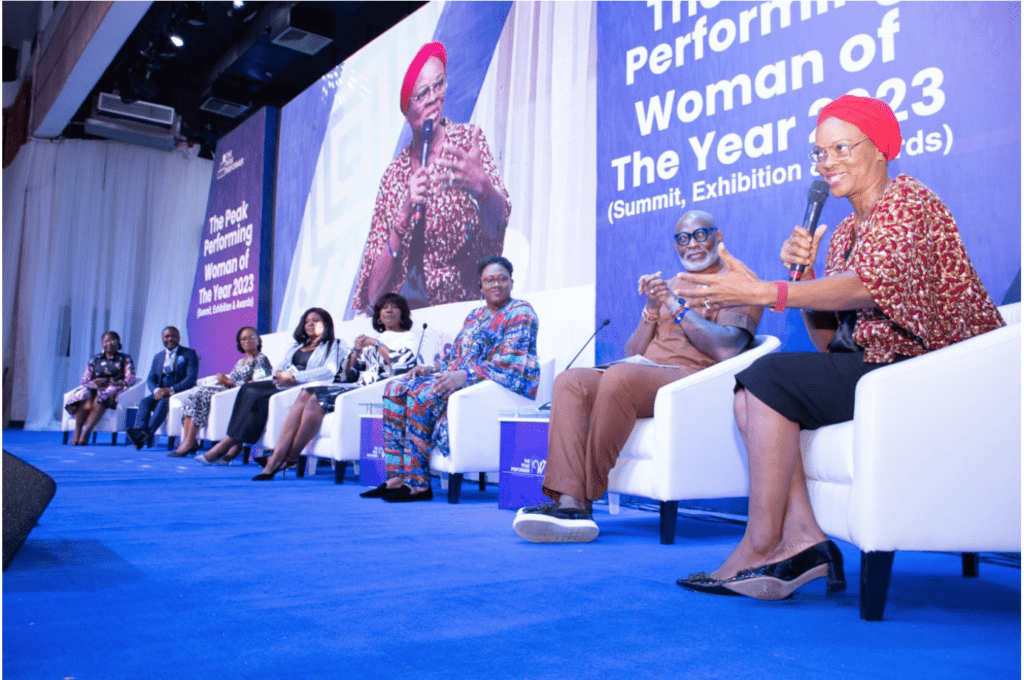
I was recently invited to join a Panel at the The Peak Performing Woman Awards 2023. The Topic that I would be sharing on was titled “How Gender Focused Interventions Can Accelerate Peak Performance for Women”. When asked to speak on any subject matter, it is important to do your research no matter how much you think you know. I found this to be a particularly interesting topic and so I decided to delve deep and share my thoughts and findings on the subject in two parts. Gender Focused Interventions “actively examine and promote the transformation of harmful gender norms and seek to reduce inequalities between men and women to achieve desired outcomes Gender-focused interventions are intended to provide equal opportunities for all genders and help them achieve their full potential”[1]. These interventions are designed to eliminate the barriers that women face due to gender inequality, which prevent them from achieving peak performance. Let me start by sharing some differences: Women face different challenges than men in the workplace for example, Women tend to earn less and have fewer opportunities for advancement; Women are also more likely to experience discrimination and harassment; Women are more likely to suffer abuse and domestic violence. These challenges will have a negative impact on their confidence and performance. Gender-focused interventions provide women with the support and resources they need to overcome these barriers, and to boost their confidence and performance. Some examples of Gender Focused Interventions I will start with the home front. As Parents and caregivers, we play a significant role in promoting gender equality and challenging stereotypes for our young girls. We should teach and model positive behaviours and attitudes for our children, such as treating boys and girls, men and women with respect and valuing diversity. Some specific ways parents and caregivers can promote gender equality and challenge stereotypes for young girls are as follows: traditionally male-dominated fields, Presidents, Prime ministers, business gurus, astronauts, engineers, architects, petroleum engineers, coders, the list is endless. — an absolute necessity for all women. Education ! Education ! Education! Let now look at some examples of the types of Interventions that can be implemented within and outside of the workplace: by Sponsorship Programmes in the work place including in Government : Find the “He for Shes” that are willing to push and promote women into executive leadership. There are many who are doing this, we just need more. There is nothing more powerful than someone advocating for you when you are not in the room because he or she knows the quality of your work and is willing to stick their neck out for you. That should put you on your toes to over deliver ! And while I know that Culture can sometimes get in the way, it’s time for us to get over this. Not every meeting between the two genders is a “date” !! can help promote an inclusive work culture that values diversity and empowerment and can eliminate gender bias that can negatively impact performance. Believe it or not, Almost 9 out of 10 people hold “fundamental biases” against women, a new UN report has found, decrying a “decade of stagnation” that has led to a dismantling of women’s rights in many parts of the world. From the United Nations Development Programme (UNDP) report released 12 June 2023 found, reflecting the latest data from the World Values Survey.[2] Half of people globally still believe men make better political leaders than women; (frankly we see that here in Nigeria with only 3 women senators out of 109 in this present Assembly). I believe it may well be the worst number ever since we switched to the parliamentary system) More than 40% believe men make better business executives than women. I was once asked if there was no man in man company during a negotiation!!!. When speaking to a Banker regarding a loan I was applying for, I was asked why my husband was not bank rolling my business venture, which clearly to him, I really didn’t have the right to be undertaking. It is a sad situation. And the clincher…… 25% believe it is justified for a man to beat his wife, Cultural norms do not help these matters. Culture is made by people. We can undo these harmful “norms” You just need to find the best fit — one that will support and nurture you — one in which you feel most comfortable. GAIA AFRICA is a warm and nurturing community for her members to thrive. Our interactions are governed by our Honour Code: Mutual Trust | Integrity | Authenticity. Important to build and nurture networks within and outside of your workplace. I will conclude with Part 2 : Gender Focused Government interventions as well as the benefits of all the interventions I have shared. Watch this space GAIA AFRICA June 2023
WHY WE NEED MORE WOMEN IN POLICY MAKING
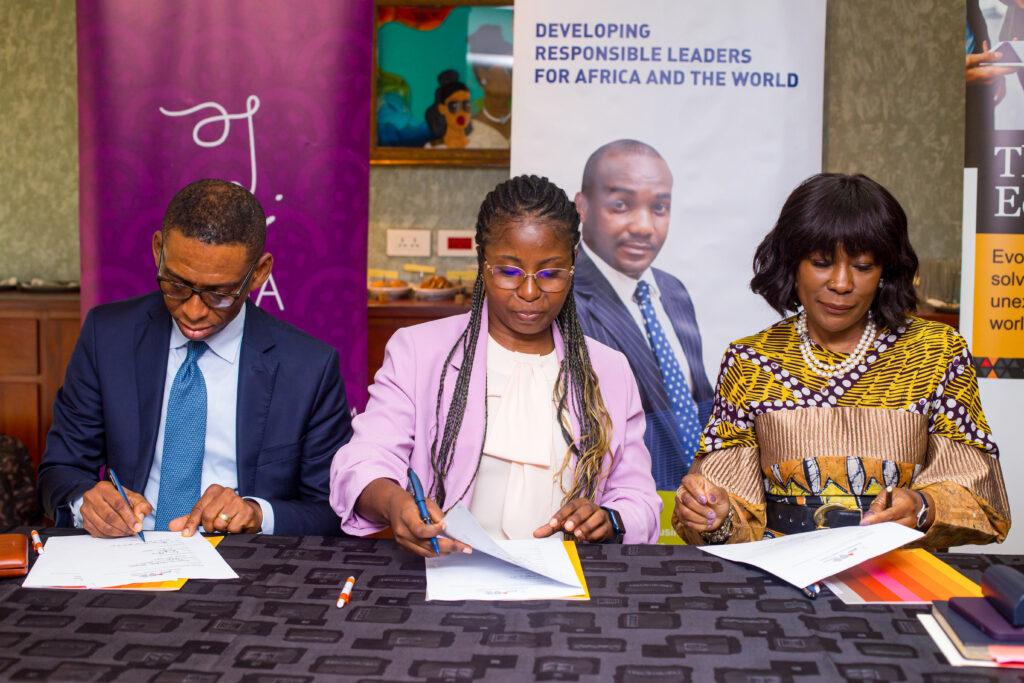
The underrepresentation of women in politics and policymaking has long been a crucial topic of discussion globally. In a recent webinar facilitated by GAIA Africa in partnership with the Lagos Business School and PwC Nigeria, titled Why We Need More Women in Policy Making. The webinar featured esteemed panelists, Senator Ireti Kingibe (Senator, FCT), Mrs Uwais (SA to the President), Alero Ayida-Otobo (Founder Incubator Africa), and Chijioke Uwaegbute (PwC), and hosted by the delectable Abosede Gorge-Odan (WILAN Global). The conversation delved into the challenges faced by women in Nigerian politics and explored strategies to promote women’s leadership. This blog post aims to summarize the key insights shared during the webinar, highlighting the panellists’ perspectives on the urgent need for change. The discussion centred on the need to change mindsets and establish inclusive frameworks in politics. Senator Kingibe highlighted the stark reality of the underrepresentation of women in Nigerian politics, emphasizing that the current situation is a cause for embarrassment even among male politicians. “We have only three women in the Senate, and I must say, even the men are embarrassed about it.” – Senator Kingibe Recognizing the significance of mindset transformation, Chijioke emphasized that leadership is about capability rather than gender. To achieve gender equality, He stressed the importance of educating young people. Corroborating this viewpoint, Mrs Otobo submitted that training and educating current politicians is a crucial step towards transforming Nigerian politics. Mrs Otobo argued that assumptions about politicians’ knowledge should be discarded. “Leadership is all about capability and not gender. We need to teach young people from a young age that leadership knows no gender.” –Chijioke “We need to train and educate current politicians, including special advisors, to help them perform better. We shouldn’t assume that they already possess the necessary knowledge.” – Alero To effect change, Mrs Otobo, stressed the importance of strategic collaboration within civil society, leveraging data and evidence to drive impactful initiatives. On her part, Senator Kingibe emphasized the formation of a robust female lobby and voter group, utilizing voter data to mobilize women effectively. “We must strive to create a strong female lobby and voter group, leveraging voter data to mobilize women in a specific direction.”- Senator Kingibe Furthermore, Chijioke proposed the training and education of politicians to address the realities of the present and shape the future. She suggested that leading institutions such as the Lagos Business School, Gaia, and PwC could play a pivotal role, stating, “Let’s train and educate politicians to understand the realities of now and shape the future. Lagos Business School, GAIA, and PwC can lead the way.”- Chijioke Ms Uwais stressed the importance of empowering young girls from an early age and nurturing their leadership potential. She highlighted the need for comprehensive education and support. Alero emphasized that women’s participation in politics goes beyond mere representation, emphasizing their transformative impact on policies and governance. She stated, “Women’s participation in politics is not just about numbers; it’s about the transformative impact they can have on policies and governance, leading to a more inclusive and prosperous nation.”-Alero Highlighting the need for mentorship and support networks, Ms Uwais emphasized the importance of building confidence in women leaders. She advocated for the creation of support systems. Alero opined on the importance of investing in women’s education and skill development as a means of empowering them in politics. Stating, “Women need more mentorship and support networks in politics to navigate the challenges they face and to build confidence in their abilities.” – Mrs Uwais When asked about how the private sector and corporate leaders actively support and encourage women’s involvement in politics, Chijioke stated that; “A united front of the private sector and civil society can be the third force, driving change and moving our society forward.” – Chijioke While delivering her final thoughts, Alero highlighted the need to create an inclusive framework in politics. She emphasized that the focus should be on how to create the necessary superstructures, stating, “We need to focus on changing mindsets and creating an inclusive framework in politics. It’s not about why we need more women; it’s about how we create the necessary superstructures.”-Alero In conclusion, the webinar panellists underscored the urgency of empowering women in Nigerian politics. By changing mindsets, building inclusive frameworks, and investing in education and skill development, significant progress can be achieved. The insightful words of Mrs Kingibe summarize the collective sentiment, “We need strong institutional mechanisms, such as gender quotas and electoral reforms, to ensure women’s meaningful participation and representation in Nigerian politics.” For a full transcription of the webinar, please click https://docs.google.com/document/d/1jBVuhapDVcoNfALeonTaCHaQArJgLJXmY8YD9Oax-Og/edit?usp=sharing
Akala’s Natives: A Powerful Examination of the complexities of Race and Identity in Modern Britain.

Akala’s Natives: Race and Class in the ruins of empire, painstakingly exposed the manner in which Britain has attempted to distance itself from its colonialist and slave trade history, as well as its persistent racism and class discrimination. It reminds us that Britain was still enslaving even when it appeared to have renounced the slave trade, that Britain operated concentration camps in Kenya, imprisoning Kenyan people, and also reveals many aspects of Britain’s complicity in the present culture of racism. He also reminds us about the quandary that mixed race children face, being racialised as black and how alarming the discovery can be. As Akala put it, he realised his mother was white when he was five years old and it was a devastating experience. Another traumatic experience for a black child in Britain is apparently that of elementary education. He shows us that primary and secondary schools that should be places of succour and learning are a bittersweet experience at best, for young black children due to the obvious or subliminal racism of their teachers. One of his high school teachers apparently went as far as to suggest that the Ku Klux Klan murdered black people in order to curb crime, during a classroom debate about race. All this showed the great barriers that young black people in Britain face and must face to be able to survive, let alone prosper. When living as a black child in the society in which the police, the media and your teachers continually relegate and condition you to believe that you are less than human, it takes grace, fortitude and an inordinate amount of will to rise to the surface or succeed. Akala’s writing is lucid and imminently readable, despite explaining intellectual discourse, as he breaks down his hypotheses clearly each time. He also almost always looks at the other side of the story and accepts that there has been progress and that even he and others like him are privileged to an extent, ironically due to their closeness to “whiteness”. By this he means that being born black in countries like Britain, affords more opportunities than others born in much poorer countries in the global South. His description of how the media as well as the “cold war” era made Cuba and Castro so much more villainous than they should be, despite playing a significant role in helping to dismantle apartheid and despite having one of the best healthcare and educational systems in the world was another illuminating aspect. The manner in which he used the comparison of Mandela and Castro as a way of demonstrating this, helped make the discussion more real. This and the use of his life experiences, with the police in Britain and other countries, with his teachers and with members of his own family, including his racist white grandfather, were all instrumental to making this book very enjoyable to read, despite its heavy subject matter. It is a testament to his self discipline as well as a combination of favour and luck as he himself admits, that he was able to extract himself from the downward trend that his working class upbringing as a racialised black youth cast him into, and it is also extremely gratifying that he continues to draw attention to the plight of young black and brown people born into Britain and similar Western counties, especially in the face of recent Nationalist white movements, in these countries. As he puts it, “we are all influenced by what we are exposed to and experience; the best we can hope for is to try and be as fair as possible within the bias inherent in existence”. Another striking feature of this book is the amount of research done into African, Asian and world wide history. It was impressive to read quotes about Ile-Ife and Benin in Nigeria, as well as discussing Japan, China, South Africa and Cuba, amongst many other countries. One would expect extensive research when embarking on such a project but with Akala, the knowledge of his subject appears to transcend that acquired simply from research for a book. It is almost as if he has lived the various lives in the different nations, the way he talks about them. The book delves into a great deal of history and politics and as such, reviewing it appropriately requires a deeper knowledge than I possess. From my point of view though, I am not at all surprised at all its accolades and believe it deserves more. It is a tour de force and the writer delivers with brilliance, humor and introspection, and is clearly an immensely well-grounded individual. I was enlightened, in the true sense of the word, just by reading it. Author: Bosede Afolabi
My GAIA AFRICA Impact Story

My name is Adesuwa Okunbo Rhodes, I am the Founder of Aruwa Capital Management, a growth equity fund investing in businesses for women and by women. We are passionate about showcasing the untapped potential of investing in women on the continent. It’s my pleasure to share my GAIA Africa Impact story. I heard about the GAIA AFRICA dinners in Lagos and the awesome space that GAIA AFRICA had created for professional women in Nigeria to network and collaborate. I sent the CEO of GAIA AFRICA, whom we fondly call TCJ, a cold LinkedIn message in January 2020 telling her how I loved the fact she had created a space for women to do business together, something men have been doing for centuries. We immediately hit it off and I officially became a member of GAIA AFRICA, thinking it would be just another means to network and be inspired by other women in Nigeria, not knowing the significant impact GAIA AFRICA would have on me and my business in the months that followed.
