

How to Engage Men as Allies for Gender Equality
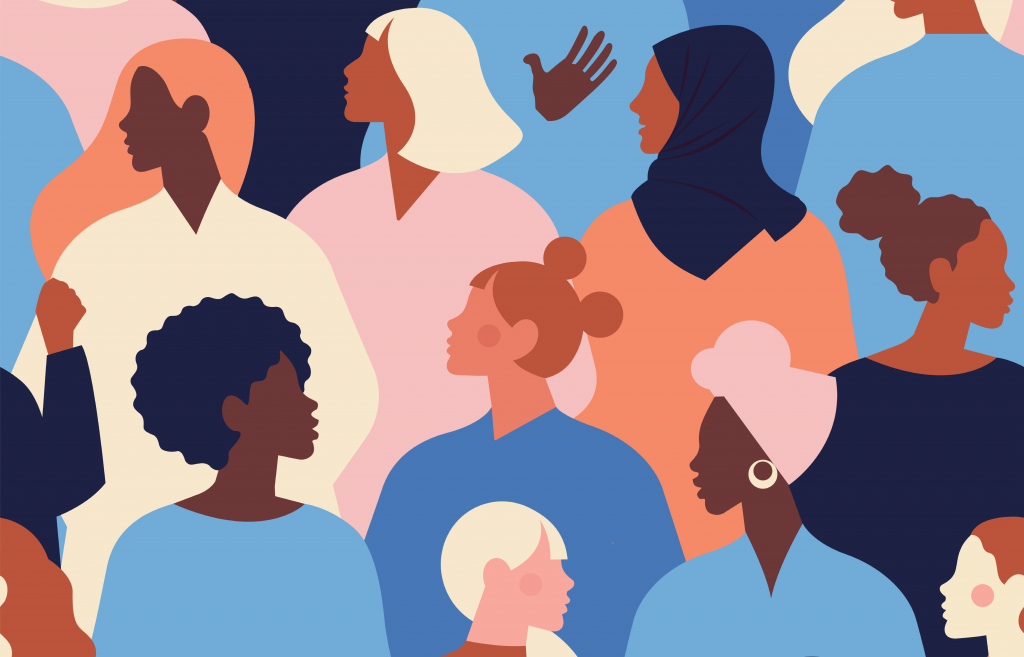
With business, corporate and political leadership today being predominantly male, we cannot ignore the important role men can play in closing the gender gap. Men are largely the gate keepers and decision makers when it comes to creating room for women at the decision table. It is critical that organisations and women themselves, engage and enlist men as allies and sponsors to move the needle on gender equality.Here are some ways in which this can be done: • Enlist male support by highlighting the strategic imperative that gender parity represents to the business. Share the data and explain what the risks and opportunities are. • Provide reverse mentoring opportunities where women can share their lived experiences of bias and explain what senior male leaders can do to level the playing field. • Make the issue personal by relating it to the experiences of their daughters, sisters and wives. • Involve men in gender diversity discussions so they understand the issues better. It’s pointless just having women talking to women given the role men can play. • Senior women in leadership must leverage their privilege and influence to enlighten and where necessary challenge male peers. • Provide bias and inclusive leadership training to male and female employees so they all understand how bias shows up in the workplace and how to lead more inclusively. • Encourage senior male leaders to diversify their pool of proteges to include women whom they can sponsor for key opportunities.
The GAIA AFRICA Story

I have often been asked why I would voluntarily leave the apparent comfort of a successful career with an International Group and plunge into the risk and aggravation of starting an entrepreneurial venture — in this case, GAIA AFRICA (formerly GAIA Women Club) and so I have decided to put pen to paper and share. If a woman reading this is or has been at the top of her profession, in a leadership position in the corporate world or has started her own business, then she has probably felt exposed or “alone”. This sense of isolation springs from the simple fact that most enterprises and all key industries are dominated at the top by men. You are lucky if you’re in a board setting or other executive committee with at least one other female. There have been times when the lone female might voice an excellent idea which no one appears to have heard. When that idea is then repeated by a fellow male board member, it suddenly has life and value and is something to discuss??? It seems that this is what Sheryl Sandberg was getting at in her book “Lean In”, when she urges women surrounded by men around a board or other table, to repeat what another woman has said for emphasis, to give value to it and to ensure that it cannot be ignored! Then on the other hand, when you try to run your own business, you will run the gauntlet of unhelpful and discouraging inquiries: why are you bothering to start a business?; why can’t your husband fund your business?; why don’t you don’t do something in the not for profit world?; or finally, the assumption that your business idea must fall into not for profit. On one actual occasion, when a female founder looking for a loan from a bank was asked why she didn’t ask her husband to fund her business, she asked the banker without blinking an eye whether if he was looking for money for his own business, he would expect a question like: “why is your wife not providing the money” ? Well, that retort quickly ended that particular conversation! And while the banker may not have intended to be patronising and offensive, the prevailing culture compelled him into a folly. For men, on the other hand, leadership in business has always been assumed and when they meet socially in their regular hubs, it is the most natural thing to talk about money, for new ideas to be shared, for businesses to be conceived, and for million-dollar deals to be negotiated. Women are starting late. At a certain time in their lives, they are often primary carers and do not have the freedom to meet regularly. Inevitably, these “man spaces” were and remain either uncomfortable for, or completely out of bounds to women. Until fairly recently, the culture of innovative entrepreneurship was not one that even women associated with other women and some of the huge disadvantages of this culture of exclusion are what I have described above. Women were just not discussing business together or developing networks of their own for this type of activity. I have personally always been driven by the conviction that serious and authentic women are a great resource and support in general and especially when they attain the highest levels in their respective fields. We understand each other’s problems — perhaps because we have walked the same path, and at other times we just understand and can empathise. Women can be supporting infrastructure for each other in business and public life also. We now understand how important it is for us to share ideas amongst ourselves, partner in business, or collaborate, and use our relationships and wider networks to grow. I believe that many women have come of age in a different type of modern world, and that we are paying it forward now more than ever. Of course, I recognise and understand that some women will still be very sceptical about this “women together” movement, but I am a true believer. Two years ago, I launched GAIA AFRICA to begin the journey of building a platform, which would contribute to solving this challenge. There are very few private spaces for women leaders to connect, share interests, form strong friendships, collaborate, partner, learn together and support each other. GAIA AFRICA is a member only club that is dedicated to serving Africa’s top 5% of female C-suite executives, professionals and business founders; GAIA caters to the select leading and experienced woman, who is looking to establish the bonds for impact in her life and business. We provide a third space; a business and social hub, which enables connections, partnerships, and collaborations. The growth and celebrated success of GAIA AFRICA is noteworthy because this achievement is based on the very same principles we are promoting. This message, received recently from one of our members speaks to the very essence of GAIA’s existence – “I feel like I have gained a lot this period from GAIA, so people need to know that it goes beyond the hangouts and that it actually grows your business, network and social life all at the same time” With an excellent team, our brilliant, active and engaged members, a diverse range of mini-clubs, burgeoning online Academy and soon-to-launch club house, it’s being proven that GAIA AFRICA is more than a club for women — It is an organising principle for female leadership which is required as the bedrock for sustainability of any social economy. This African brand is built around the common interests of female leaders in diverse industries including business, politics, the professions, and social enterprise. To learn more about our exclusive community please visit www.gaiaafricaclub.com Linkedin : GAIA AFRICA Instagram : @GAIAAFRICA
Meet the Founder/CEO of Zaron Group of companies, Oke Maduewesi – Exclusive Interview
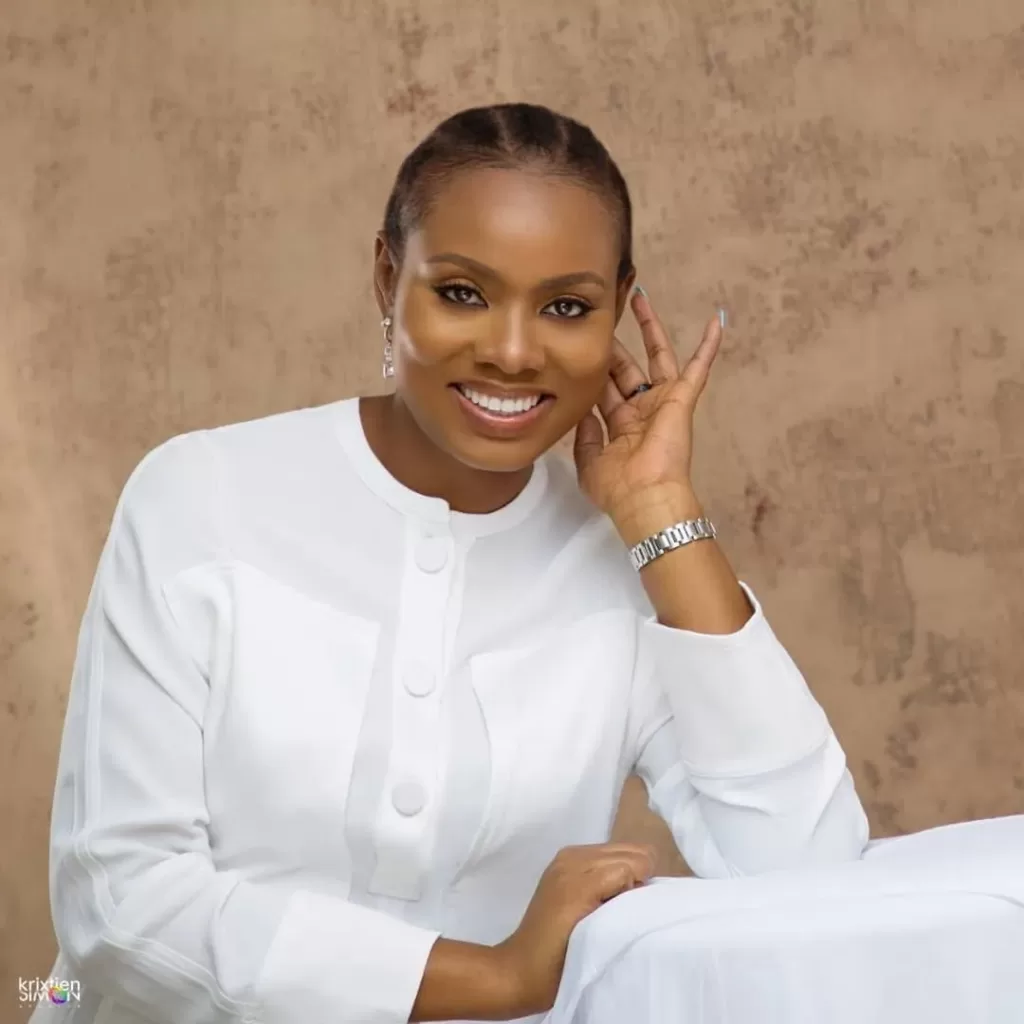
Oke Maduewesi has been working in the cosmetics industry for a little more than a decade, and through the years, she has been very focused on delivering sleek premium quality products at affordable prices to enhance the lifestyle needs of African women. Backed with her knowledge and skills as a former Zenith Bank Manager, and an MBA holder from the University of Leeds, Oke Maduewesi built a contemporary innovative cosmetics brand that has grown to have over 25 franchise outlets and 800+ distributors in Nigeria and other African countries, whilst also contributing to the socio-economic development of Nigeria through job creation, enterprise development, strong corporate social responsibility and a business ethos anchored on reputation and trust. In her interview with Business Insider Africa, Oke Maduewesi shares an exclusive sneak peek into the world of cosmetics, great advice on how to build a successful cosmetics brand and the 3 women she would want to see wear her products.ADVERTISING BI Africa: How did Zaron start and what motivated you to create your product line despite the huge selection of cosmetics in the market?about:blank Maduewesi: The Zaron story was conceived in Leeds whilst I was doing an MBA at Leeds Business School. Prior to that, I was working in one of the leading Financial Institutions in Africa. I felt the need to grow but wasn’t sure of what exactly, except perhaps I thought to grow in managerial skills to elevate and dominate in the same sector. I remember selling everything I owned before moving to the UK with my two daughters who were 4+ and 2+ at the time; in pursuit of the next chapter. Back to school and I remember vividly sitting in discussion groups and reviewing different case studies and having this restlessness within knowing that all the cases being reviewed were foreign businesses and I knew that that narrative had to change. My next step was to put pen to paper on what I thought I could do about it; what space could I play in, and all the how-to’s surrounding this. The only thing I was sure of then was that I would name the business after my daughters, so I started making different combinations with their names (Ona and Zara), and Zaron seemed more brandable; so the business name is a fusion of my daughters’ names. The next step was to determine the space, and the Beauty and Wellness industry, which was one of the fastest-growing, seemed interesting. Plus, no prominent African brands were dominating that space. I immediately went to work by using my business proposal as my dissertation, and that was the start to what we see today. BI Africa: Increasingly, in the past years, Zaron has become the most profitable product category for many top luxury fashion brands. What are the key ingredients for success, nowadays, when it comes to cosmetics? Maduewesi: The Key ingredients for the success of the Zaron Brand is the reputation and trust we have gained over the years in creating and providing quality products at affordable pricing. From inception, we have been focused on presenting quality products for the woman of colour recognising that we are best equipped to understand our skin tone and texture; taking into consideration our environmental conditions in creating the most suited products for us. One of the things we have been most proud of is that the Zaron brand is about products made for the woman of colour by the woman of colour. BI Africa: What is your strategy towards the effective distribution of Zaron products? Maduewesi: In Nigeria, Zaron currently has 25 franchisee outlets, and the brand’s products are sold in almost all the cosmetic retail stores nationwide, with a growing number of online Independent Beauty Consultants and with presence in 10 African countries, North America and the UK. The vision from the start was to create cost-effective ways of widespread distribution. Being a local brand trying to penetrate a market where there was little or no trust for local beauty brands, one of the first things we did was to lower the barriers of entry, grant favourable credit lines, and source for franchise partners that were driven and passionate not only in retailing beauty products but ensuring that the business created a livelihood for themselves and their families. Starting with franchising helped reduce the capital required to set up stores, and we were able to widen our reach by leveraging on the network of our partners in the various cities. We were also able to gain access to their key distributors so we can collectively better manage the relationships. BI Africa: In today’s world, what are the most effective communication/marketing channels for your brand? Maduewesi: Our communication and marketing channels in this ‘new normal’ have become heavily reliant on social media and the internet. When we first launched Zaron, we did a lot of field marketing including visiting markets and potential sales partners, hosting live demos across regions, offering makeup artistry using our products, organising roadshows and promoting collaborative events. Our strategy was creating awareness and connecting with our target market one-on-one. Field marketing is still a channel we employ; however, digital marketing provides that opportunity to get even more eyeballs on the brand and a sale at the mere click of a button. A 2020 report by GSMA put the number of mobile subscriptions in Nigeria at 172 million, and a recent Jumia Nigeria report estimates 44% of these are using 3G technology, providing forward-thinking businesses with a reach unprecedented. With the advent of COVID-19 and its effects on consumer behaviour, trends and digital markets, Zaron has fully embraced direct and in-direct communication/marketing channels. After the past intense months, we now begin to see optimal results from resources put into a combined marketing strategy as consumers fully expect businesses that they interact with to offer options for multiple engagement channels; the multiplier effect is in full play.The Key ingredients for the success of the Zaron Brand is the reputation and trust we have gained over
Psychology of Business Networking: Growing Meaningful Relationships for All Round Success
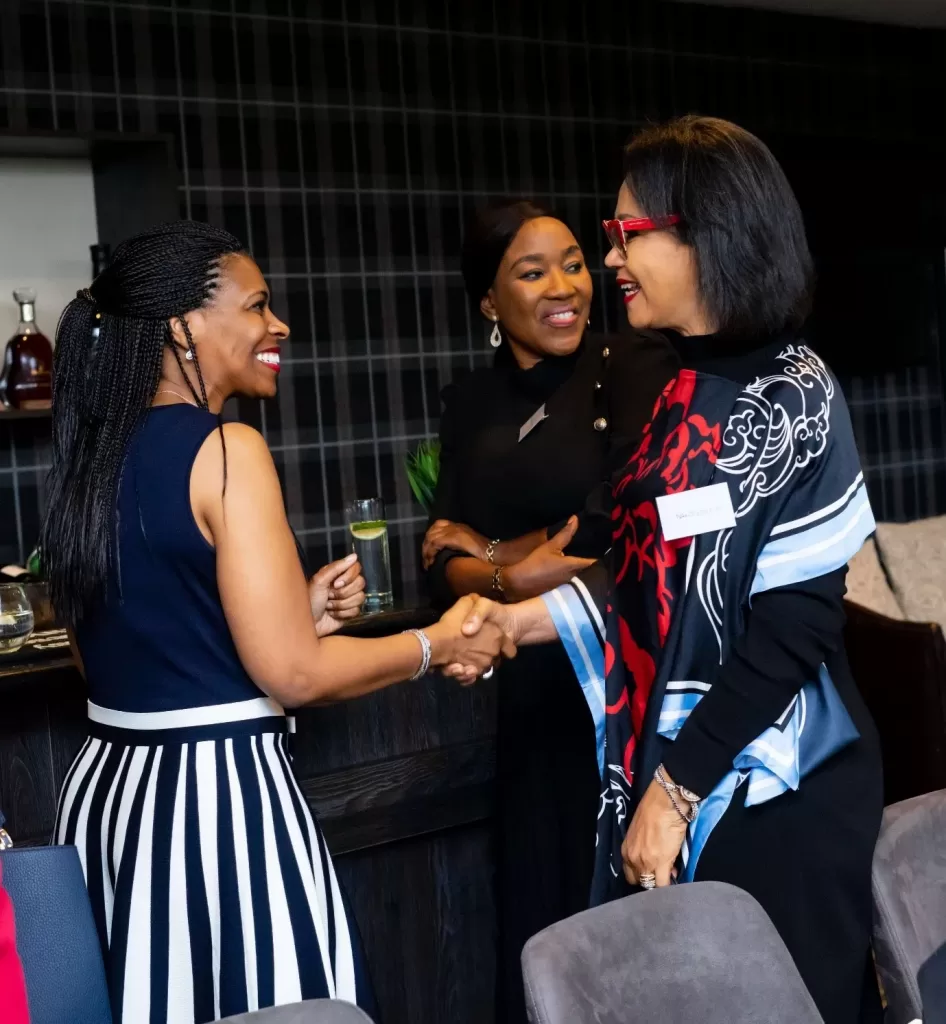
Have you ever been in a room full of women at a conferences or networking event wondering how exactly you can make headway, interact and build meaningful relationships? While it may seem that everyone is unapproachable, chances are that you come across the exact same way. Building and growing meaningful relationships is crucial for our growth. Some research carried out by the Carnegie Institute of Technology shows that only 15% of one’s success is based on technical skills, while 85% is due to the ability to connect. At GAIA AFRICA, we know the importance of building meaningful relationships. So important is this topic that we invited Someer Somal, (CEO Digital Transformation at Blue Ocean Global Technology and Co-Founder of Girl Power Talk) to speak at our special Gazelle series and he shared some insightful tips on the psychology of networking which we have termed “The 10 commandments of Networking” according to Sameer Somal. Make Your Time Online Count: Due to the internet of things, people are spending more time online. Statistics show that people spend an average of 24hrs a week online. Whether it is on social media, websites, blogs, chat sites: if you are online that long, you might as well make it count. Build meaningful relationships on LinkedIn, Instagram, and Facebook. Make those long hours count. Invest in your Online Reputation: “Identity will be the future and it will exist primarily online” Eric Schmidt Google. Before meeting someone you wish to establish a relationship with, you would have done a google search to learn about him/her. This is the same way other people check you out online, so be sure that over time, you curate a digital presence that is reflective of who you are. You can build your online presence on social media sites, your website, blogs, forums, interviews, guest blogging, and podcasts to mention a few. Practice Your Elevator Pitch: Your elevator pitch is a 60 second summary of who you are and what you represent. You will need a great pitch to make a lasting impression so be sure to practice. For example Somaal says “I am a purposeful human being with a relentless work ethic. I believe in diversity and I am a lifelong learner” Who can forget that? Be Prepared: Be deliberate about building good relationships. The right mindset is the first step. You have an event? Schedule an appointment with yourself a few days to the event to prepare. Research the event organizers, speakers. Prepare relevant and thoughtful questions that relate to the event, current news or industry trends. Rehearse your elevator pitch. This will definitely give you an edge. One First Impression, Make it Count: Now you are at the event and truth be told within a few seconds of meeting, people subconsciously make inferences, assumptions and judgements. Make sure they are forming the right ones; positive body language is essential, maintain frequent eye contact, positive facial expression and posture. Try to keep your hands by your sides. This looks so much better in pictures! Be Proactive: Networking requires going beyond your comfort zone and challenging yourself. Do not stick with familiar faces at events. Take the bold step, approach new faces. That’s the entire purpose of networking after all. Quality over Quantity: “Relationship” is not a game of numbers. The last time you attended an event, you probably went round the room picking up cards from anyone who had one to offer. How many of those people did you eventually follow up with? Focus on connecting and building lifelong relationships – even if it is with just one person. Be a Giver: Approach networking not with the thought “how can this relationship benefit me” but ask yourself “what value can I offer this person in this relationship” People love to hang around those who offer them value. Find out what a connection wishes to accomplish and find ways to assist them. You can volunteer for their next project, offer tips to improve their digital presence and so on. There are endless ways to add value. Strategic Follow Up: To be honest, this is where the real impact lies & where most people fail. Be thoughtful and tactful in following up with a contact. Whether it is through social media, email, text or by handwritten notes, be sure to keep it thoughtful. Invest time to craft a specific message that is unique to each person and never give the impression that you are desperate to connect. Patience is Key: Building purposeful long-term relationships take time and patience. Follow through with your connection and give them time. Some people are genuinely busy and must prioritize. Be tactful, thoughtful, persistent and patient.
THE PIPELINE FOR WOMEN IN LEADERSHIP: THE WAY FORWARD
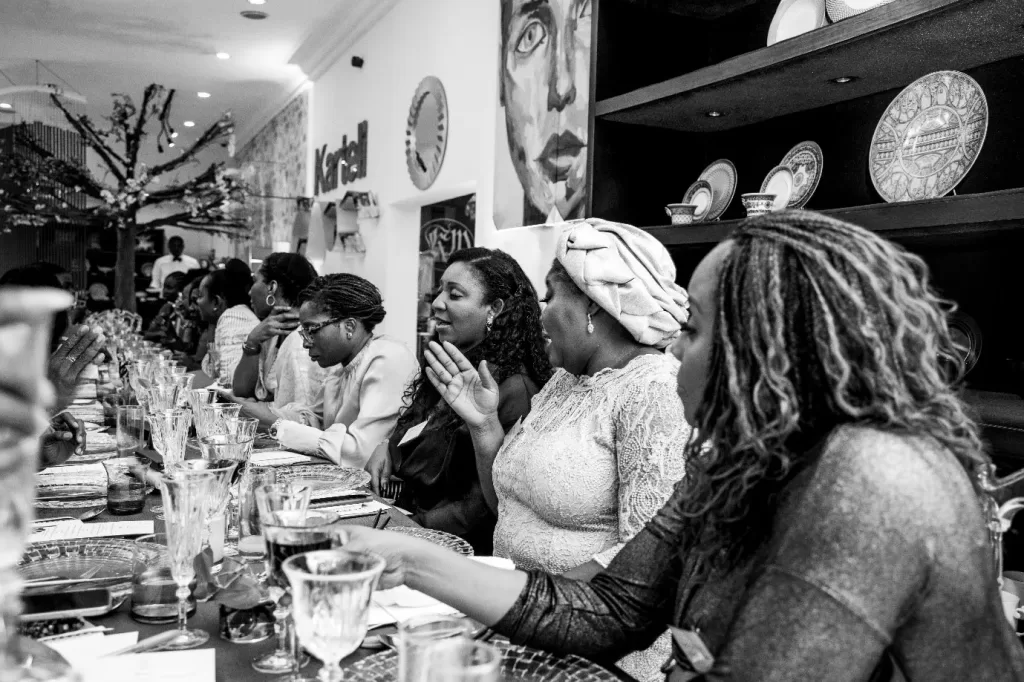
There remains to this day, universal systemic inequality between men and women. Women have less access to opportunities and resources and are under-represented in the decision-making bodies that shape their lives. This pattern of inequality is a constraint on the progress of any society because it limits opportunities of half of its population. The Pipeline for women in Leadership roles in Nigeria is a long and arduous one to build. Mckinsey states that societies that continue to allow the gender gap, leave tons of cash on the table and that narrowing that gap could add $12Trillion to 2025 Global GDP. While both sides have a part to play in closing this gap, we believe that women must meet this challenge head on by leveraging their own strengths in collaboration with their peers. During GAIA AFRICA’s Roundtable on “The Pipeline for Women in Leadership in Nigeria – Men Speak” and was moderated by Mrs. Bola Adesola, the distinguished male leaders on the roundtable, Mr. Austin Avuru, Mr. Tonye Cole, Mr. Yemi Candide-Johnson SAN and Rt. Honourable Femi Gbajabiamila shared their views on why the age long gender gap persists and how it can be closed. A society where legislation is in place to ensure equal opportunities and treatment for women and men, one that combats all forms of discrimination on the grounds of gender as well as violence against women is what we seek. Rt Hon. Femi Gbajabiamila in his opening message mentioned that he is promoting a bill to widen the definition of “Federal Character” in the Constitution to include gender. This was very well received as it would bring about more inclusiveness in the selection process and appointment to various positions in Government and Government owned entities. Based on our discussions during the Roundtable, we are listing below some of the suggested ways Corporates and Government can help close the gap: For Corporates:• Partner with Consulting Companies for focused & deliberate searches to identify qualified women for key roles • Put in place anti-aggression policies that create a supportive working environment for women • Conduct studies to gauge the effectiveness of the Company’s talent development strategies for advancement to top roles, and look into how many women have risen to these roles and how many more can advance to those roles. • Identify the barriers that prevent women from succeeding in corporate careers and try to find solutions that will improve this issue. • Study and assess the attitudes of men working with women in same or higher -level positions. Find out why unconscious biases persist and put in place mandatory training to reorient both male and female staff to eliminate all biases. • Affirmative Action, but only to the extent that it allows for qualified women to enjoy equal opportunities with their male colleagues. It is important that women are represented in unrepresented environments. What top 2 positions can companies either create or appoint a woman to in the next 6-12 months? Studies have shown that the economic growth trajectory moves upwards when women are included at all levels in an organization. • Conduct regular diversity assessments to determine the level of diversity fitness and close all gaps. • Develop and put in place strategies to engage women in technical positions. Women make up less than 25% of the graduates in the technology sector, this needs to improve. • Education for girls – CSR plans and budgets should include or increase quality education for girls. This becomes a pipeline of female employees for such organizations. Below are some possible changes for increasing female participation in elective office and in Government generally: For Government• Amend Constitution to recognize that women are Nigerians too. A “gender friendly” document will expressly define male/man/he as widely used, to include female/woman/ she. • Establish a National Re-orientation Programme on the benefits of gender parity for society. This Programme should be Championed from the very top of Government – The “Tone from the Top” will encourage adoption at all levels • Identify barriers that prevent women from seeking elective office and take steps to remove them • Increase Advocacy and support for women to take up elective office. The current under representation is inherently discriminatory. • Without positive effort, women will forever be excluded from the most important decisions that affect their rights and their lives. Actively identify quality candidates – “educate” them about politics – support them and back them with resources. Find “He for She’s” who will sponsor them. • Push broadly The Women’s Victory Fund: an excellent initiative of the Honorable Speaker of the House of Representatives to identify and sponsor willing and capable women to contest for elections at all levels of government. Rwanda’s parliament has 65% women. This impacts outcomes for girls and women long-term in countless ways: self-identity, self- efficacy, and self confidence. • Women should engage in more advocacy, lobbying, peaceful protests, among others to drive home their point to get into elective positions. Nothing will be given up willingly. Women have to fight for what they want. • Active Representation: Men and Women must work hand in hand to ensure that women are represented and that they have access to the right resources. • Partner with Big 4 Consulting organizations for focused & deliberate searches to identify qualified women for key roles in Government. • Institute anti-aggression Policies in the National Assembly and all Government Offices that create a supportive working environment for women. The conclusion of course is that gender parity is best for the economy and for society. If we act now to remove barriers to greater female participation in society, we will reap the economic, political, and social benefits. If we delay, we will suffer the consequences. Parity is powerful and we are hopeful that the inclusion of women in every sphere of our nation, will bring incomprehensible growth and that legacy must begin now.
FEMALE LEADERSHIP – EMPOWERED AND EMPOWERING
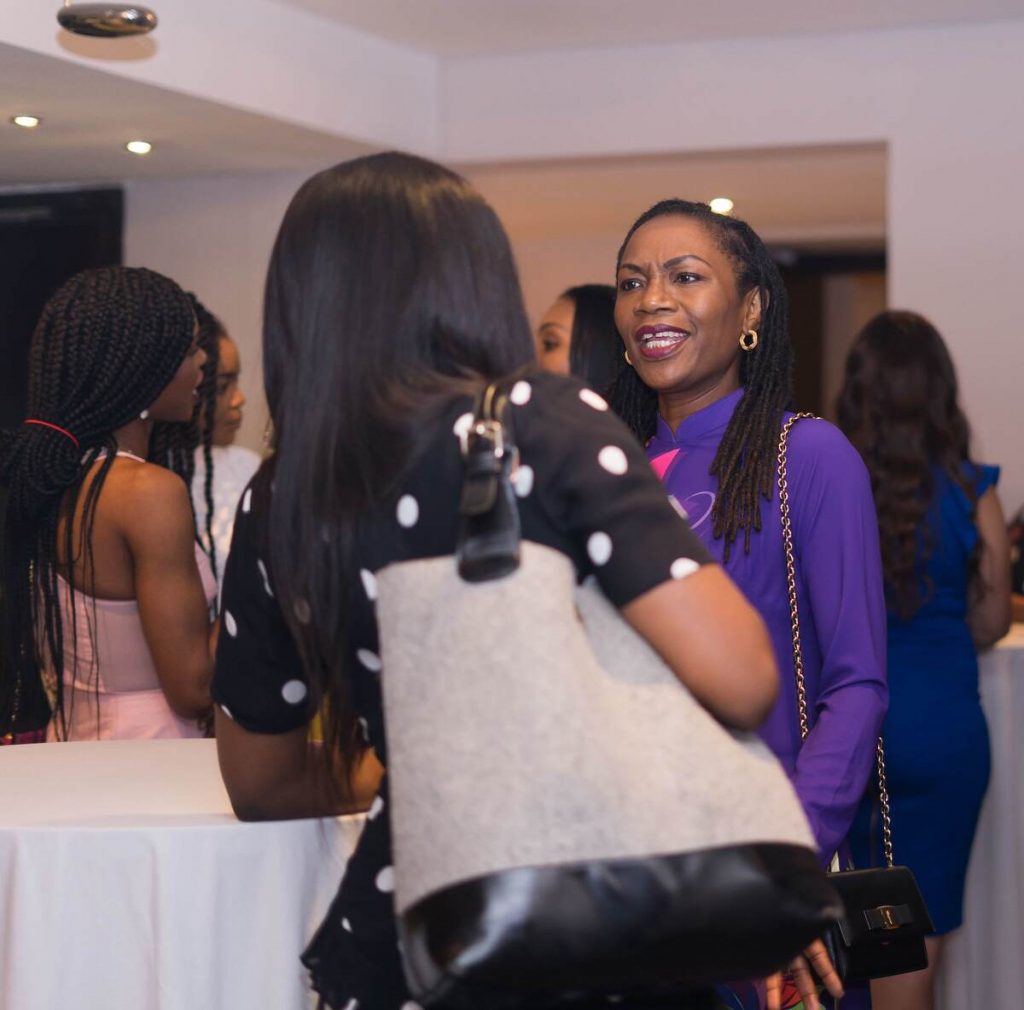
April marks GAIA AFRICA’s 3rd Anniversary. In the three years of the club’s existence, work has gone on tirelessly to carve a special niche for Africa’s top 5% female C-suite executives. Creating a close-knit community of business founders, c-suite executives and senior professionals at the helm of leadership who inspire each other, those they lead and others who admire them. Listening to the stories of women leaders from around the globe, we realize that every success story comes with compelling pluses and minuses. The stories from across the continent give better clarity on the gaps and how women leaders have been able to move forward in their respective endeavors. Ellen Johnson-Sirleaf, Liberia’s Former President and Nobel Peace Prize Winner, made history in 2006 as the first female head of state in Africa and the first black woman head of state. Since then, the world has witnessed a tremendous increase in female political leadership in Africa. According to 2020 data from the IPU-UN Women Map of Women in Politics, Rwanda now has 65% women in parliament – the highest percentage of women in parliamentary positions in the world, along with South Africa, Senegal, Namibia and Mozambique. Unfortunately, Nigeria still lags way behind. For example, Nigeria’s 9th Assembly has only 8 female senators out of 109 Regardless of the obvious disparities in representation and the desire to witness significant increased numbers in female political leadership around the world, the journey continues to be an interesting one. 2020 was an unprecedented year; one that showed that empathy, resilience, grit and inclusivity were the success factors to ride the storm. Qualities held by female leaders. Last year, GAIA AFRICA celebrated her 50 founding members- women from various industries including finance, technology, oil and gas, fashion, law, architecture, design, manufacturing, beauty & cosmetics, development and many more. Since then, the club has continued to expand horizons attracting members from across the world. GAIA AFRICA has a simple yet profound mission: To create a nurturing environment for women leaders to meet, network, support and validate one another, enjoy themselves while growing a strong business community where diversity and inclusion thrive to produce unlimited business success.The Club is diverse and embraces the uniqueness of every member. Each Member is empowered and empowering others for impact We are grateful for our growth and are excited by what the future holds.
3 THINGS WOMEN CAN DO TO CONTRIBUTE TO SHATTERING THE GLASS CEILING.
This is an excerpt for this post
